
BERLIN — UN Climate Change Executive Secretary Simon Stiell warned on Tuesday that rising fossil fuel costs tied to the recent outbreak of conflict are intensifying global instability and threatening economic downturns, urging immediate acceleration of climate action to blunt both environmental and financial fallout.
Speaking at the Petersberg Climate Dialogue in Berlin, Stiell described the moment as “perilous times,” saying the “latest war has further locked-in much higher fossil fuel costs for months and likely years to come, delivering a gut-punch to every nation and billions of households.” He warned this dynamic risks a new era of “fossil-fuel driven stagflation,” which he said is “driving up prices, driving down growth, pushing budgets deeper into quagmires of debt, and stripping away governments’ policy options and autonomy.”
Stiell framed climate cooperation as central to safeguarding both economies and the environment. “Climate cooperation is key to fending off the twin-reapers of global heating and fossil fuel cost chaos,” he said, pressing the case that the transition to clean energy can deliver security and affordability and restore “sovereignty to nations and their peoples.” He stressed negotiators must now shift from pledges to projects: “Negotiations are one – and they remain critical. Now, in this era of implementation – we must turn them into projects on the ground.”
Referencing progress under the Paris Agreement, Stiell noted the “landmark commitments” captured at the first global stocktake at COP28 and urged measurable progress ahead of the second global stocktake at COP33. He called for elevating the UNFCCC’s Action Agenda — which he said has been “mobilizing trillions of dollars within the real economy” and helped make the clean energy transition “irreversible” — so implementation and finance sit on an equal footing with negotiations.
A central plank of Stiell’s appeal was increased finance and cooperation for developing countries. He urged “far more finance flowing into developing countries” and highlighted priority action areas: resilient energy systems, methane reduction and transformed food systems. On methane he warned it is an “ultra-potent greenhouse gas,” arguing that slashing emissions by 2030 would have a rapid and significant effect on slowing warming. He also reiterated the importance of resilience measures, including early warning systems that “save lives.”
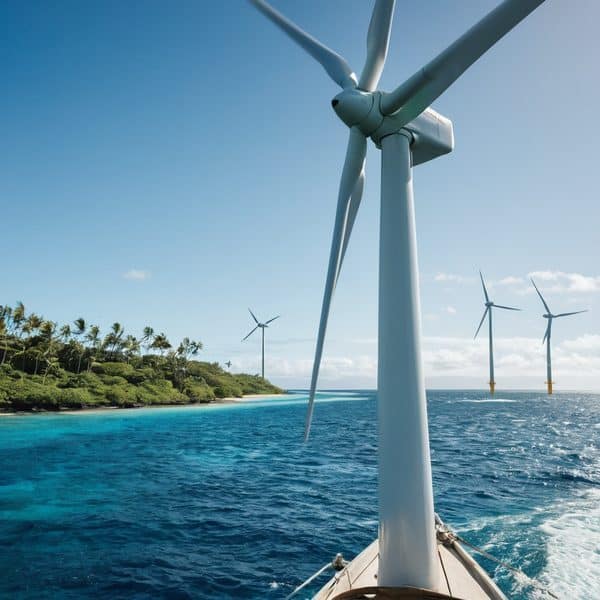
The warning comes against a backdrop of mounting concern in the Pacific, where small island economies are particularly exposed to global fuel price volatility. In March this year, regional analysts cautioned that geopolitical tensions and the risk premium on oil markets were already driving up costs for Pacific nations. Governments in the region have repeatedly raised the need for secured finance and accelerated renewable deployment to protect households and essential services from price shocks.
UN Secretary-General António Guterres has issued complementary calls this week for a faster roll-out of renewable energy, reinforcing a coordinated UN push for immediate implementation. For Pacific policymakers — already campaigning for climate justice and greater funding at recent COPs — Stiell’s remarks underline both the near-term economic threat from fossil fuel market turmoil and the strategic imperative of accelerating tangible clean-energy projects and resilience investments.
Stiell’s intervention seeks to sharpen the global debate from ambition to delivery: if governments and financiers fail to translate commitments into on-the-ground projects and to channel more resources to developing countries, he warned, nations risk being trapped by high fossil-fuel costs and the economic drag of stagflation just as climate impacts intensify.