BERLIN — United Nations Climate Change Executive Secretary Simon Stiell on Tuesday warned that soaring fossil fuel costs, amplified by recent global instability, are increasingly destabilising national economies and constraining governments’ policy options, and urged a rapid shift from pledges to on‑the‑ground implementation.
Speaking at the Petersberg Climate Dialogue in Berlin on April 21, Stiell described the present moment as “perilous,” saying the latest war has “further locked‑in much higher fossil fuel costs for months and likely years to come, delivering a gut‑punch to every nation and billions of households.” He warned that those pressures are creating what he called “fossil‑fuel driven stagflation” — pushing up prices, dragging down growth, increasing debt burdens and eroding national sovereignty.
Stiell used the high‑level gathering to press that climate diplomacy must now be matched by accelerated delivery. “Negotiations are one — and they remain critical. Now, in this era of implementation – we must turn them into projects on the ground,” he said, urging that the UN’s Action Agenda be elevated “to share centre‑stage with negotiations.” He added the initiative has already been “mobilizing trillions of dollars within the real economy” and argued the clean energy transition is “now irreversible,” but needs to be widened worldwide.
The executive secretary singled out priority areas where rapid action can both curb warming and improve security: transforming energy systems, slashing methane emissions and reshaping food systems. On methane, he emphasised its outsized warming effect and said “slashing emissions by 2030 will have a huge impact on putting the brakes on global heating.” He also underscored resilience measures, including early warning systems, as essential protections for lives and livelihoods.
Stiell’s interventions came alongside calls from UN Secretary‑General António Guterres at the same forum for countries to “unleash the renewables revolution.” Together, their messages frame a push to move beyond commitments made under the Paris Agreement — and measured at the first global stocktake at COP28 — toward demonstrable progress ahead of the next review at COP33. “So that by the second global stocktake at COP33, we are on track to meet the commitments made at the first,” Stiell said.
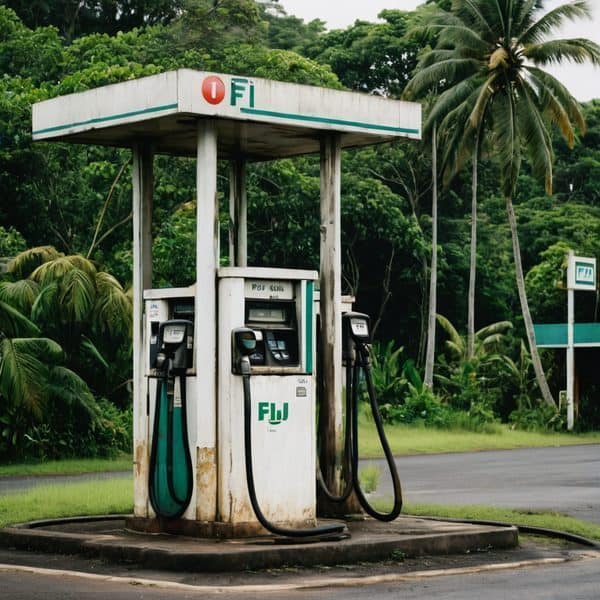
The warnings and the finance emphasis carry particular weight for Pacific island nations, already grappling with the combined impacts of climate change and higher fuel and food costs. Recent analyses have flagged how volatility in the Strait of Hormuz and Middle East tensions have fed global oil price spikes, forcing small island economies into difficult trade‑offs between food security and fuel imports. Stiell’s appeal for “far more finance flowing into developing countries” directly targets those vulnerabilities, urging richer nations and investors to accelerate capital for clean energy, methane abatement and resilient food systems.
As governments prepare for the next round of UN climate negotiations and the formal stocktake process, Stiell’s address sets a practical, implementation‑focused agenda: move from words to projects, mobilise investment for the global South, and cut short‑lived climate pollutants now to buy time to meet longer‑term temperature goals.
Leave a comment