A new report by a Guam-based security think tank has intensified scrutiny of the United States’ expanding military footprint in Palau, saying environmental safeguards and local consent have been sidelined as Washington accelerates strategic infrastructure projects. The findings arrive as Palauan leader Whipps undertakes a historic first State visit to New Zealand, underscoring how the tiny Pacific republic’s diplomacy and domestic debates are increasingly shaped by great power rivalry.
The Pacific Centre for Island Security’s Micronesia Security Outlook 2025, authored in part by Jodean Remengesau — director of the Bureau of Agriculture at Palau’s Ministry of Agriculture, Fisheries and the Environment — warns that “guardrails” built into the Compact of Free Association are being rendered ineffective by rapid militarisation. “The U.S. military had missed and fell short of fulfilling its duties and responsibilities under the compact,” Remengesau writes, arguing that environmental standards and community consultation requirements have not been met in some cases.
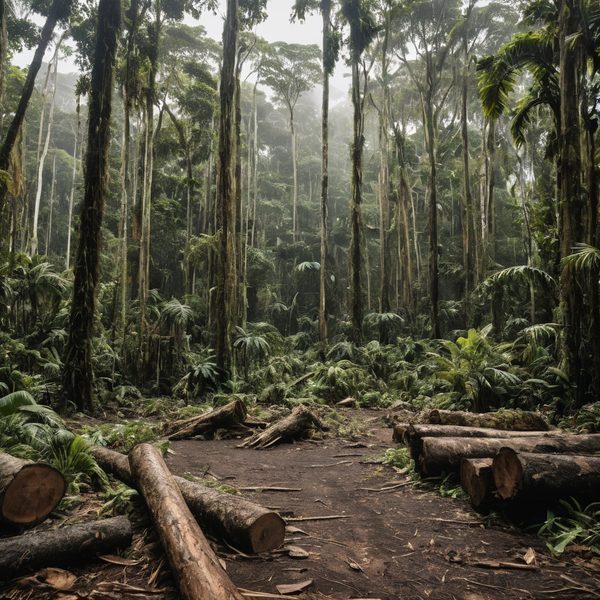
The report singles out the clearing of land on Angaur, one of Palau’s 16 states, as an example. It alleges that U.S. forces or contractors removed vegetation for a tactical mobile over-the-horizon radar site without obtaining required environmental earthmoving permits or conducting mandated community consultations. According to the report, shredded tree debris from the works was left in ways that risked introducing the invasive coconut rhinoceros beetle into local yards — a problem that residents say was only hastily addressed after the fact.
Those allegations mirror a lawsuit filed in 2023 by Angaur Governor Steven Salii, who sued Palau’s central government, the Palau Environmental Quality Protection Board, the U.S. government and military contractors. The suit claims 271,807 square metres of land were disturbed on Angaur without an environmental impact assessment and without permits required under Palauan law.
The timing of the report is significant: it comes as components of a major U.S. investment in Palau are being implemented. Under the renegotiated Compact of Free Association, the United States pledged an US$890 million aid package to Palau over 20 years that began on October 1, 2023. The U.S. military’s own US$118 million radar project in Palau is slated to be operational this year, the report notes, and describes how an initial presentation of a single shoreline radar tower for mutual use later evolved to include additional, separate elements — a development that residents and analysts say was not fully explained in advance.
The report frames these developments against an intensifying geopolitical rivalry between the United States and China, arguing that Palau’s strategic location has pushed the island nation deeper into international security calculations. It warns that a large portion of Palau’s national budget remains dependent on compact funds and foreign aid, a dynamic the authors say increases the potential for the military to make further use of Palauan territory.
Palau’s international engagements appear to reflect this pressure. Whipps’ State visit to New Zealand, announced this month, is the first of its kind and signals Palau’s efforts to balance diplomatic ties with major partners even as on-the-ground concerns about sovereignty, environmental protection and community consultation mount.
The Pacific Centre for Island Security calls for greater transparency, stronger enforcement of Palauan environmental laws and fuller public consultation before projects move forward. With legal challenges already lodged and new facilities nearing operation, the report and the events it highlights are likely to sharpen domestic debate in Palau and attract further regional attention to how strategic competition is playing out across the Pacific.
Leave a comment