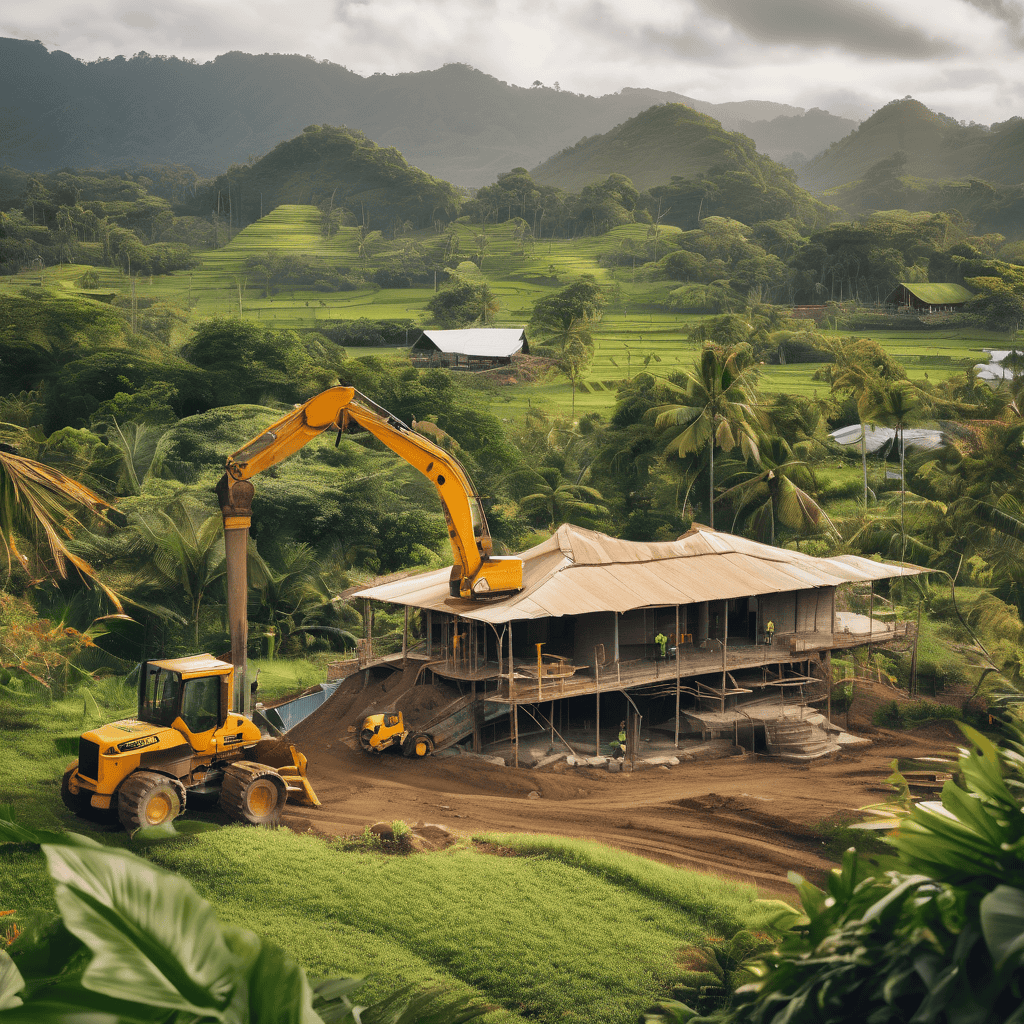
Early civil works at the Nabavatu relocation site faced setbacks due to underground seepage, necessitating contractors to focus on drainage solutions before proceeding with housing construction. Project engineer Versoni Tavana emphasized that the decision to redo the initial works overseen by the Ministry of Works was essential for ensuring a viable construction site.
“From day one, we prioritized improving drainage before preparing the terraces for construction,” Tavana explained. Despite encountering some areas with soft ground, he noted that the situation has become manageable. He acknowledged that while early soil assessments indicated the land was fit for relocation, it did not meet expectations when construction entered its second phase. “Due to this, drainage became critical to make the site suitable for housing,” he said.
Progress has since picked up, with plans for equitable land distribution among the 37 families being relocated. Tavana highlighted that each household will receive a standard two-bedroom home, emphasizing uniformity in both internal and external dimensions to promote fairness. “There is no variation. Equity was a key consideration,” he stated.
The project’s productivity hinges on strategic deployment rather than just the number of workers present. Tavana explained, “We move teams around based on trade strengths, whether local or foreign workers. Sometimes you can have a hundred workers on site, but the output is the same as ten if supervision is not right. Supervision ratios are key.”
Workforce numbers fluctuate according to construction phases, with a higher demand for labor during floor pouring compared to steel installation. Notably, all steel components are prefabricated in Suva and transported to the site for assembly, which may lead to periods of seemingly low activity on site while maintaining high efficiency.
With issues related to early groundwork now resolved, construction is progressing steadily towards providing new homes for the families, signaling a positive turnaround for the Nabavatu relocation effort.
Leave a comment