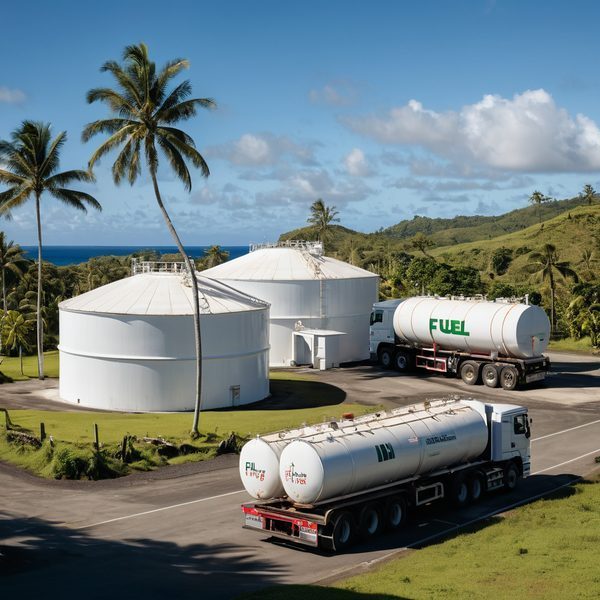
The International Monetary Fund has warned Pacific Island economies face “very concerned” prospects as fuel prices climb amid renewed tensions in the Middle East, pressing small island states with limited fiscal space to act quickly to manage supply and price risks. The latest IMF intervention on April 17 comes as one Pacific country, the Marshall Islands, has already moved to cut government operating hours to conserve fuel.
Speaking from Washington, IMF Asia and Pacific Director Krishna Srinivasan said the region’s heavy dependence on imported diesel and kerosene — used for power generation, shipping and everyday transport — makes it especially vulnerable to spikes in global energy costs. “We are very concerned about the small states in the Pacific Islands because these countries’ cost of living has been an issue even before the shock,” Srinivasan told PACNEWS, warning that limited economic buffers and long shipping times from the Middle East magnify the impact of any disruption.
Srinivasan highlighted the effect of geographic isolation and stretched global supply chains, noting that even when direct disruptions ease, delays in shipments mean islands could face prolonged shortages and elevated prices. He reiterated that the IMF stands ready to provide both policy advice and financial assistance to countries requesting support.
IMF Deputy Director Thomas Helbling echoed that urgency, stressing governments should “act early to manage supply risks” and adopt a forward-looking approach to procuring fuels and other essentials. “Besides our general recommendation of using buffers wisely, we would also encourage the countries to be proactive and think of supply chains, procuring oils and other essential supplies on a more forward-looking basis, working with partner countries,” Helbling said. He added that policy flexibility should be maintained and tailored to each country’s circumstances.
The call for preparedness follows earlier warnings in March that escalating conflict and disruptions in the Strait of Hormuz could push up global oil prices. Fiji’s government has previously sought to reassure the public — Finance Minister Esrom Immanuel told reporters in March that Fiji had adequate fuel reserves for the moment — but IMF officials now stress that limited reserve buffers mean sovereigns should plan for prolonged price pressure.
Concrete signs of disruption have already emerged in the region. The Marshall Islands government this week implemented a policy requiring most government offices to close by 3pm daily to conserve fuel amid global uncertainties, measures reported from Majuro on April 17. Authorities in Majuro framed the adjustment as a direct response to supply anxieties rather than an immediate shortfall, but the step underscores how small Pacific administrations may be forced into operational cuts if the energy shock intensifies.
The IMF warns the fuel shock threatens to raise inflation, increase transport costs and strain public finances across the Pacific, with knock-on effects for household living standards and economic stability. Srinivasan and Helbling urged countries to combine targeted short-term measures — such as securing supply lines and retiming purchases — with medium-term reforms to strengthen fiscal buffers and resilience.
With global oil markets remaining volatile, the IMF’s message to Pacific leaders is clear: prepare early, coordinate with partners and be ready to deploy both policy tools and international support to shield vulnerable populations from an extended energy squeeze.
Leave a comment