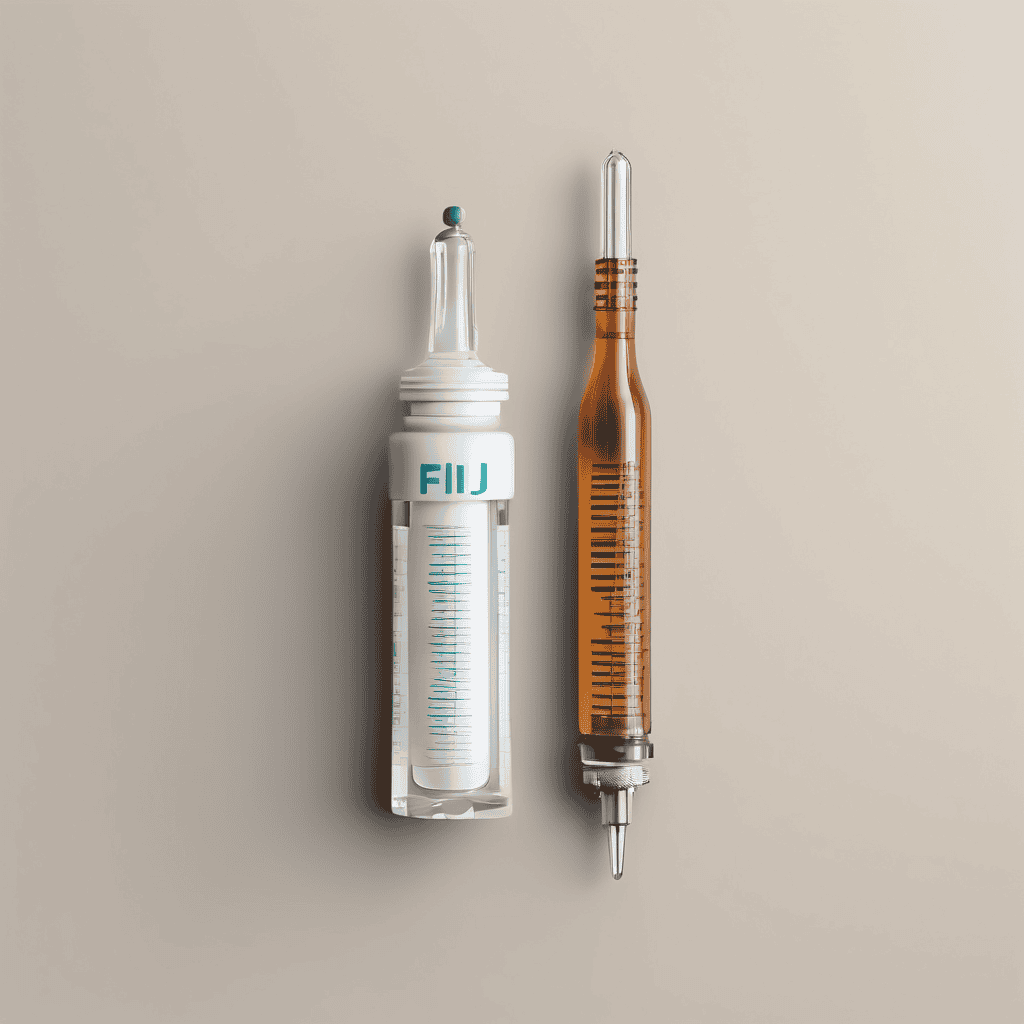
A recent assessment indicates that unsafe injecting practices, along with insufficient harm reduction services, are pivotal factors behind the escalating HIV epidemic in Fiji. UNAIDS estimates suggest that the number of individuals living with HIV in Fiji surged to 6,100 in 2024 from around 2,000 in 2020, highlighting a distressing trend.
Commissioned by the World Health Organization (WHO) and the United Nations Development Programme (UNDP) at the request of Fiji’s Ministry of Health and Medical Services, the study reveals that people who inject drugs often reuse needles due to a lack of access to sterile equipment. This practice significantly increases their risk of contracting HIV, hepatitis, and other infections. Notably, methamphetamine emerged as the most commonly injected substance, with many users being exposed to risks right from their initial injection.
Interviews conducted with 56 individuals who inject drugs, alongside discussions with 50 key informants, uncovered a troubling lack of awareness regarding HIV and significant barriers to accessing testing and treatment. Alarmingly, nearly half of the individuals commencing HIV treatment in 2024 were drawn from the population of people who inject drugs, underscoring the urgency of the situation for this demographic.
In response to this crisis, the assessment calls for the immediate implementation of needle and syringe programs (NSPs) to furnish users with sterile equipment and link them to critical health services. Dr. Atonio Lalabalavu, Fiji’s Minister for Health, has confirmed that the government, in collaboration with international partners, is prioritizing the rollout of NSPs as part of Fiji’s HIV Surge Strategy (2024–2027) and the Outbreak Response Plan.
Dr. Mark Jacobs, WHO Pacific Director, emphasized that evidence-based interventions such as NSPs not only save lives but also help prevent new infections. Similarly, lead researcher Professor Lisa Maher pointed out the necessity of involving individuals who inject drugs in outreach and preventive initiatives to address the epidemic effectively.
Munkhtuya Altangerel, the UNDP Resident Representative, has characterized the HIV epidemic as a significant health, development, and human rights challenge. She urged for swift and decisive action to curb new infections and ensure stigma-free access to care for all. Without immediate intervention, projections indicate that Fiji’s HIV cases could continue to rise, leading to severe health and social ramifications.
Despite the grim statistics and challenges ahead, the collaborative efforts between the Fijian government and international organizations offer hope for reversing the trend and improving health outcomes for affected individuals. There is a strong commitment to implementing much-needed strategies that can save lives and reduce the stigma associated with addiction and HIV.
Leave a comment