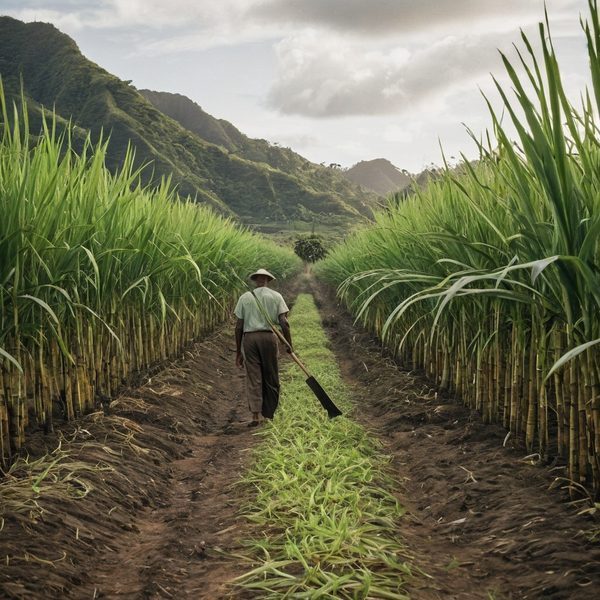
Sugarcane growers across Fiji are bracing for a fresh round of cost increases ahead of the 2026 crushing season, saying rising fuel prices will push up labour, transport and harvesting charges unless industry stakeholders meet urgently to plan for the impact. Former Fiji Sugar Corporation (FSC) board member Arvind Singh warned growers were already feeling the strain after a delayed third cane payment, and that the forthcoming fourth instalment will be critical for covering mounting expenses.
Singh said the delayed third payment — now expected to be paid on April 20 — had been largely absorbed by growers to meet existing bills, leaving limited room to absorb any further cost shocks. “Now our focus is on the fourth cane payment and how much we will get in our pockets because we will need it to pay for fuel and everything else that will increase because of that,” he said.
Growers report that labourers are asking for substantial wage increases ahead of the season, seeking to move from the current $25 per tonne to between $35 and $40 per tonne. Lorry drivers transporting cane and operators of mechanical harvesters are also signalling they will seek higher rates. Mechanical harvesting is typically paid at a set rate of $15 per tonne; Singh said that figure is likely unsustainable if fuel prices remain high. “We know that the mechanical harvester has a set rate of $15 per tonne but that will have to increase because how will the operators use the machine if they can’t meet the fuel cost?” he asked.
Singh has called for an immediate, wide-ranging meeting of all stakeholders — growers, labour representatives, harvester operators, transporters, the FSC and government officials — to discuss preparations and a coordinated response to expected cost increases. He urged consultations to take place in every district within the sugarcane belt so growers could be fully briefed and not “surprised by how everything is so expensive” when crushing begins.
Attempts to secure comment from Minister for Sugar Tomasi Tunabuna were unsuccessful; questions sent to his office remained unanswered at the time of reporting. The FSC and the ministry play central roles in determining cane payment schedules and in facilitating negotiations between growers and service providers, making their engagement key to any sector-wide solution.
The growers’ warnings come against the backdrop of broader regional concerns over energy prices. Recent reports from Pacific nations have highlighted how geopolitical tensions and global market volatility can push up fuel costs, which in turn squeeze agricultural margins and raise transport expenses. Local regulators have previously flagged the need to avoid price gouging in essential goods and services; growers say they need similar oversight and forward planning in the sugar sector to manage the coming season’s risks.
With the third payment due April 20, growers and industry bodies now face a narrowing window to agree contingency plans and potential adjustments to rates. If no coordinated approach is reached, growers warn, higher input costs could either erode farmer incomes or be passed on via increased rates — a prospect that would have ripple effects across rural communities dependent on the sugar industry.
Leave a comment