
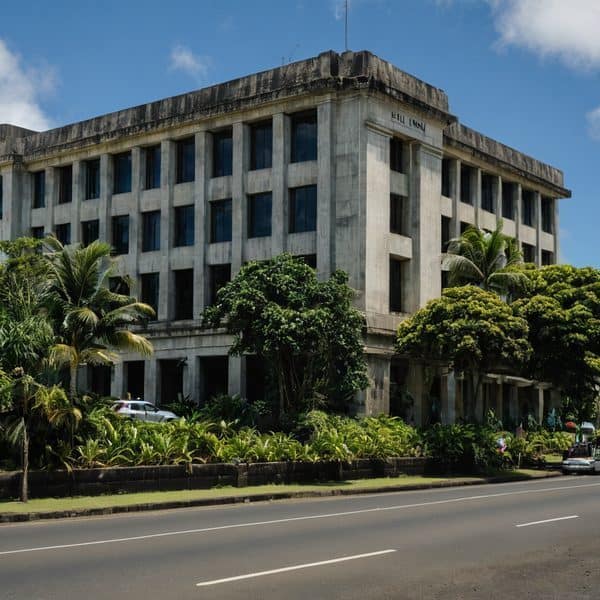
The Reserve Bank of Fiji has warned that the protracted US‑Iran conflict in the Middle East poses significant downside risks to Fiji’s economic outlook, pointing to higher fuel prices, supply‑chain disruptions, rising inflation and a heightened risk of recession if the crisis endures. The caution came as the central bank kept its Overnight Policy Rate at a record-low 0.25 percent — unchanged for the sixth consecutive year — in its latest monetary policy announcement.
RBF Governor Ariff Ali said the conflict’s effects would reach Fiji through multiple channels: “higher fuel prices, an increase in inflation, disruptions to the supply chain and through tourism from our key source markets.” He highlighted the International Monetary Fund’s recent downgrade of global growth for 2026 to 3.1 percent, adding that global growth “could weaken further if the war persists and oil prices increase sharply.” As a small price‑taker, Fiji is particularly exposed to sustained periods of elevated fuel costs that could raise household living costs, increase business expenses and delay investment.
Domestically, the bank noted a mixed picture. Annual headline inflation remains in negative territory, but the RBF warned that higher fuel and food prices stemming from the conflict — and the economic effects of Tropical Cyclone Vaianu — have not yet been fully captured in the consumer price index. Governor Ali said such supply‑side pressures could cap investment activity even as other indicators show resilience.
Foreign reserves stood at around US$3.4 billion as at April 30, 2026 — equivalent to about 4.9 months of retained imports of goods and services — which the RBF described as “adequate” and likely to remain comfortable over the medium term. The central bank’s assessment provides a buffer against external shocks, but it also underlines how sustained spikes in global oil prices could erode that buffer and amplify inflationary pressures.
Tourism continued to underpin the recovery, with visitor arrivals up by a robust 7 percent in the first quarter of 2026, supporting domestic demand. The RBF said consumption has shown signs of moderation despite gains in household incomes, strong remittance inflows and rising employment. Investment activity is still positive, reflected in increased new investment lending and construction‑related imports, and some easing in building material prices.
Looking ahead, Governor Ali flagged a cluster of supply‑side constraints that could weigh on investment and growth: rising fuel and freight costs, shortages of skilled labour, and a cautious “wait‑and‑see” stance among businesses in an election year. Given these headwinds, the RBF judged that Fiji’s 2026 GDP growth is “downward biased,” reinforcing the central bank’s decision to maintain an accommodative policy stance for now while monitoring global developments linked to the Middle East conflict.