
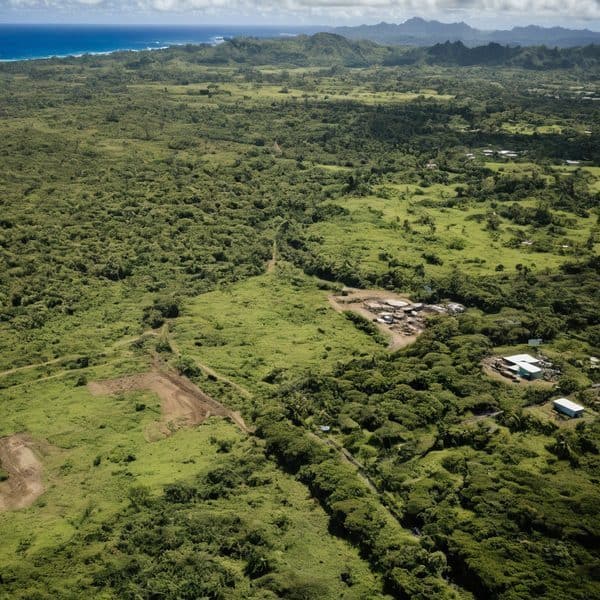
The proposed waste-to-energy development at Vuda has moved into a critical assessment stage after the Environmental Impact Assessment (EIA) public viewing period closed on April 22, with 875 written submissions now under review, Permanent Secretary for Environment and Climate Change Dr Sivendra Michael confirmed on Thursday.
Dr Michael said the volume and size of responses demonstrated strong public interest in the project and warned the Technical Review Committee (TRC) would need time to work through detailed material. “They are supposed to review the entire report, the public consultations, the minutes from the public consultations,” he said. “The written submissions will take a substantive time because some of the written submissions were quite huge. So, we have to complete all that and then verify against the EIA report itself and then identify the technical.”
The TRC’s next meeting is scheduled for Monday, May 11, when members will begin assessing the EIA and the public submissions against legal requirements. Dr Michael said the committee will evaluate findings in line with the Environment Management (Amendment) Act 2025 and the EIA Process Regulations 2007. He emphasised the independent role of the committee chair and the supporting role of the department secretariat in facilitating technical discussions.
No final decision has been reached on the Vuda waste-to-energy proposal. Dr Michael reiterated that any determination will follow completion of the full technical review, which will include verification of the EIA report, consideration of consultation records and detailed analysis of the 875 written submissions lodged during the public viewing period.
The large number of submissions marks a notable level of community engagement for an infrastructure project subject to an EIA. Under the regulations, written and oral inputs provided during the public viewing phase must be considered by the TRC before it issues recommendations or conditions, or forwards the matter for ministerial decision. Dr Michael’s comments indicate the department intends to follow that statutory pathway and scrutinise the material carefully.
The outcome of the TRC’s work will be key for determining the project’s future trajectory. Once the committee completes its technical assessment and aligns findings with the 2025 amendments and existing EIA regulations, the department will clarify next steps and any recommended mitigation, conditions or approvals. For now, stakeholders and members of the public remain in a waiting phase until the committee’s review progresses beyond its May 11 meeting.