
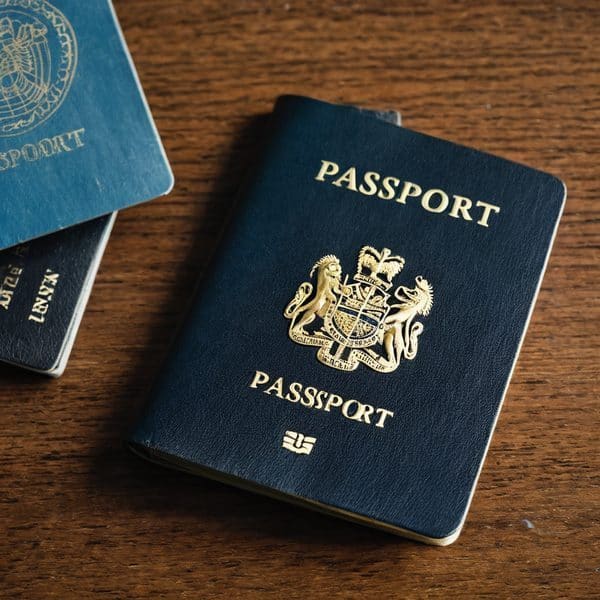
The Passports (Amendment) Bill 2026, tabled in Parliament on Friday last week, proposes to widen eligibility for Fiji’s diplomatic passports by explicitly extending entitlement to the immediate families of accredited diplomats. Under the draft legislation, spouses and children of heads of Fiji missions and members of diplomatic staff would automatically qualify for diplomatic passports, marking a clear change from previous arrangements that focused on principal office holders.
“The spouse or child of a person… is also eligible for a Diplomatic Passport,” the Bill states, giving written confirmation that family members of accredited diplomatic staff are included in the pool of those entitled to diplomatic travel documents. The amendment is part of a broader package of reforms to Fiji’s travel document laws being advanced by the government.
For other categories of State representatives who are not accredited diplomatic staff, the Bill creates a mechanism for family inclusion but inserts an additional layer of oversight. In such cases, spouses and children may be granted diplomatic passports only with Cabinet approval, rather than as an automatic entitlement. The measure appears designed to retain ministerial or executive control over extended use of diplomatic status where the primary role falls outside traditional diplomatic postings.
Another key element of the proposed law requires that all diplomatic passport applications be endorsed by the ministry responsible for foreign affairs. That provision formalises inter-agency coordination between the foreign ministry and immigration authorities and aims to ensure that diplomatic status is granted only after the relevant diplomatic channels confirm a person’s entitlement.
The move comes as Fiji deepens its diplomatic footprint overseas. In February this year the government appointed Jesoni Vitusagavulu as Fiji’s first resident ambassador to Israel — a development that highlighted the practical implications of family travel entitlements for overseas postings. Where resident ambassadors and their missions are established, the legislative change would mean the spouses and children of accredited staff can hold diplomatic passports without separate Cabinet consideration.
Parliamentary debate over the Bill is expected to consider the balance between facilitating the movement of mission families and safeguarding the privileges that come with diplomatic passports. Diplomatic passports confer not just travel facilitation but also distinct visa and consular protections; the Cabinet-approval route for non-accredited representatives signals lawmakers’ intent to control broader access to those privileges.
The Bill’s tabling is the latest step in a process to modernise Fiji’s passport regime. If passed, the amendments will alter the practical administration of diplomatic travel documents, tighten oversight through required foreign affairs endorsement, and clarify the status of families accompanying accredited diplomatic staff abroad. Parliament will now consider the Bill’s clauses in committee and plenary sittings as the reforms proceed through the legislative stages.