
Fiji has set a series of more ambitious climate commitments under its latest Nationally Determined Contribution (NDC3.0), including a pledge to cut energy-sector emissions by 36 percent against business‑as‑usual levels by 2035, Permanent Secretary for Environment and Climate Change Dr Sivendra Michael announced at an NDC3.0 Climate Investment Plan inception workshop in Suva yesterday.
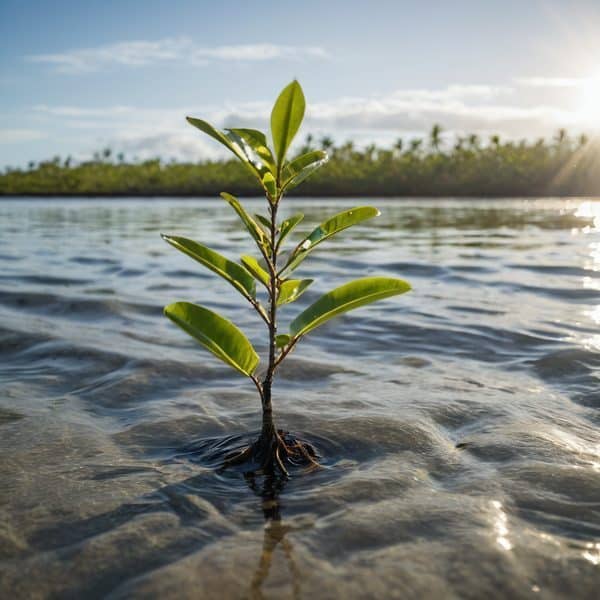
Speaking at the Grand Pacific Hotel, Dr Michael described the package of conditional and unconditional targets in NDC3.0 as “a significant leap forward” from previous submissions. Alongside the energy‑sector goal, he said Fiji aims to plant 30 million trees by 2035 and ensure 30 percent of its Exclusive Economic Zone is designated as Marine Protected Areas by the same year — measures that combine emissions reductions with nature‑based protection.
Dr Michael stressed the urgency behind the numerical targets, citing the latest climate science and warning of a narrow window for action. “The latest science is clear that we are now at a dangerous tipping point,” he said, adding that “the risk of overshooting 1.5 degrees is significant if not likely in the next five years.” He cautioned that such temperature rises would pose direct and severe threats to Pacific lives, livelihoods and coastlines: “For us, it’s personal and it’s more than just a climate obligation. It’s about protecting our homes, our communities, and our children’s futures.”
The workshop inaugurated the development of Fiji’s Climate Investment Plan, an effort Dr Michael framed as essential to move NDC3.0 from headline commitments to concrete action. He said the plan will translate high‑level targets into “actionable, costed, and investable projects” intended to attract public and private finance and accelerate on‑the‑ground implementation across energy, forestry and marine conservation sectors.
Fiji’s new targets emphasise the energy sector as a primary emissions focus, reflecting the global push to decarbonise power and transport. While Dr Michael did not outline the specific mix of technologies or policy instruments that will deliver the 36 percent cut, the Climate Investment Plan process is expected to identify project pipelines, financing needs and implementation partners required to meet the 2035 milestones.
Regional vulnerability and the need for external support were recurring themes at the workshop. Dr Michael reiterated that while NDC3.0 raises ambition, turning commitments into results will hinge on access to climate finance, technical assistance and investment-ready proposals — precisely the gaps the Climate Investment Plan seeks to address.
The NDC3.0 submission, lodged with the United Nations Framework Convention on Climate Change, signals Fiji’s intent to deepen its climate action ahead of major global stocktakes and financing rounds. The inception workshop marks the start of a planning phase that will determine how quickly and effectively the new targets can be translated into deliverable projects across Fiji’s communities and coasts.