fiji
-
Fiji dominates Pacific Nations Boxing in Suva ahead of Glasgow Commonwealth Games
Fiji’s boxing team kicked off a strong weekend at the Pacific Nations Competition, signaling momentum ahead of Glasgow. A standout display by Jasmie Daunakamakama across two weight classes and sharp wins by Aminisasi Saratibau hint at a growing depth in Fiji’s squad under coach Cam Todd.
-
Fiji launches first five-week intensive induction for immigration officers to strengthen border management
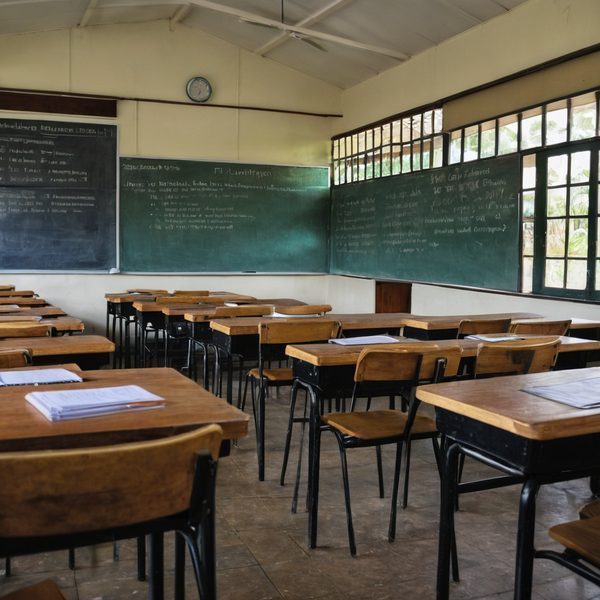
A bold, five-week induction is reshaping Fiji’s immigration frontline. Twenty officers from across Permits and Visas, Border Security, and Passport and Citizenship join a pilot program aimed at boosting cross‑unit collaboration and sharpening border-management skills. The initiative promises practical, real‑world impact as frontline practice is professionalized.
-
Fiji and Australia Expand Vuvale Partnership to Boost Fuel Security and Energy Resilience
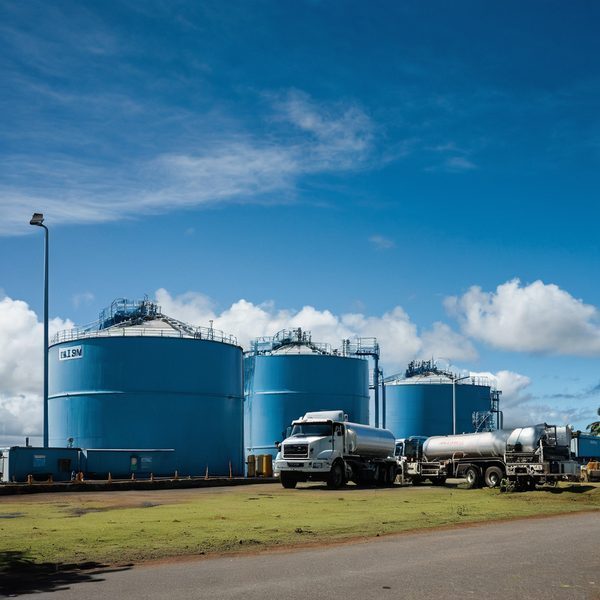
Fiji and Australia push the Vuvale Partnership beyond security and trade, spotlighting fuel security and energy resilience in the Pacific. While no formal agreement emerged, the talks point to follow-up discussions on practical steps to strengthen regional supply resilience and power stability.
-
Palau Forum travel on track as NZ backs contingency flights amid fuel pressures
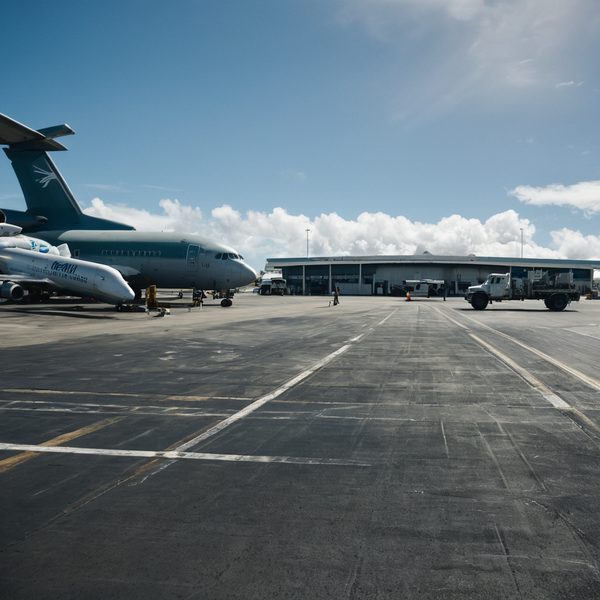
New Zealand says there’s no immediate fuel disruption risk to leaders traveling to Palau for the Pacific Islands Forum, though August remains a ways off. In a show of regional solidarity, partners stress readiness to assist with transport if pressures mount, underscoring the delicate logistics behind Pacific diplomacy amid global price shocks.
-

Fiji’s Lautoka Aspen Hospital cuts amputations with aggressive limb-salvage and VAC therapy
Groundbreaking limb-salvage strategies are reshaping outcomes at a western Fiji hospital, where earlier intervention and modern wound care are cutting the need for amputations. Yet workforce gaps and late presentations remind us that opportunities come with ongoing challenges. The story highlights the balance between medical progress and the systemic changes needed to sustain it.
-

Fiji Education Crisis Deepens as Early Childhood Funding Lags and Youth Dropouts Rise
Fresh figures reveal Fiji’s education crisis runs deep, with thousands of youths out of school before secondary education and dropout rates climbing in the early years. Underfunded early childhood programs and a neglected TVET pathway are highlighted as key drivers, underscoring urgent questions about how to reverse disengagement.
-
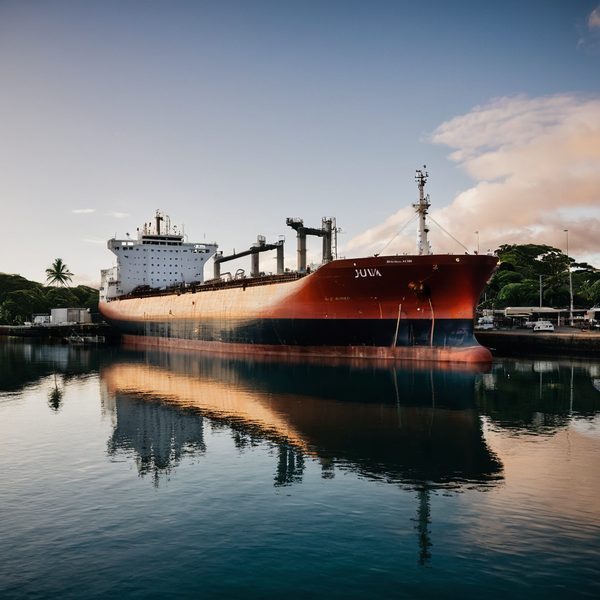
Singapore pledges open refined-fuel exports to Fiji, unveils three-pillar energy resilience plan for the Pacific
Singapore vows it will not impose export restrictions on refined fuel, offering reassurance amid volatile markets. In talks with Fiji, leaders outlined a collaborative path to long-term energy security—from diversification to conservation—stepping toward a more resilient regional energy future.
-

Discipline lapses cost Fiji as Argentina knock them out of Hong Kong Sevens quarter-final
Discipline proved costly for Fiji’s men’s sevens in a tense Hong Kong showdown with Argentina, where a yellow and a red card shifted the momentum. Captain Kolinisau keeps the focus on what must be fixed as the team eyes a steadier finish.
-
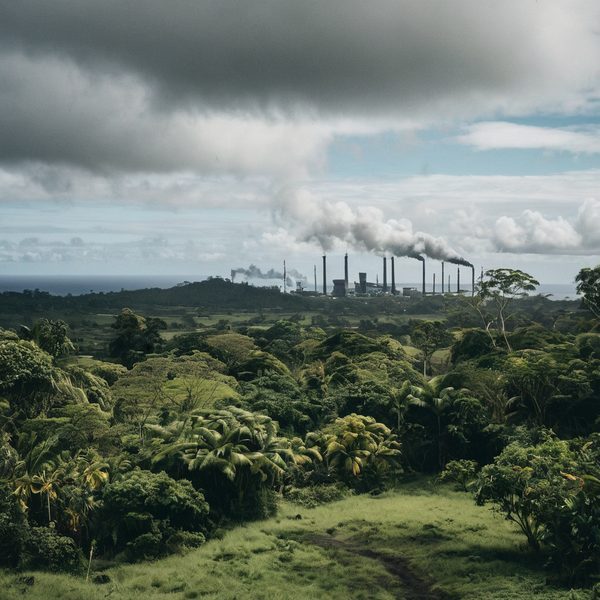
Fiji warns Vuda waste-to-energy incinerator could leave a toxic legacy, breach international law, and threaten cultural sites
Fiji’s proposed Vuda waste-to-energy plant has sparked a heated debate over environmental risk, cultural heritage, and international obligations. Critics warn of a potentially lasting toxic legacy and questions about waste sourcing and long‑term monitoring. The discussion is forcing a closer look at whether the plan truly serves Fiji’s future.
-
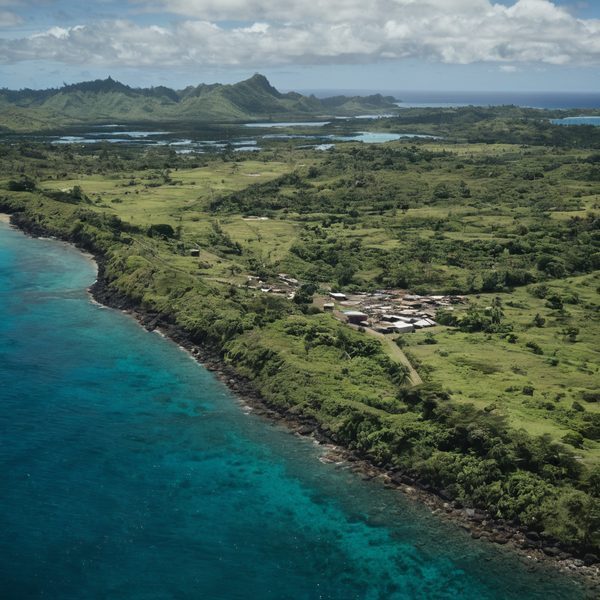
Fiji’s UN envoy urges transparent, science-based review of the $1.4B Vuda-Saweni waste-to-energy project
Fiji’s UN envoy sharply questions a proposed $1.4B waste-to-energy plant at Vuda-Saweni, demanding complete, science-based transparency on air, water, and health impacts before any decision moves forward. Citing past operator controversies and regulatory uncertainties, he signals that public safety and environmental safeguards must come first in this high-stakes debate.