
BERLIN — UN Climate Change Executive Secretary Simon Stiell warned on April 22 that rising fossil fuel costs and global conflict are creating a new form of economic peril he called “fossil-fuel driven stagflation,” and said the world must urgently shift from negotiations to on-the-ground implementation to protect vulnerable economies, including Pacific island states.
Speaking at the Petersberg Climate Dialogue in Berlin, Stiell said the latest war — referring to ongoing hostilities in the Middle East — has “locked-in much higher fossil fuel costs for months and likely years to come,” delivering “a gut-punch to every nation and billions of households.” He cautioned that the combined effect of higher energy prices and geopolitical instability is pushing many countries into slower growth, higher prices and rising debt burdens. “Fossil-fuel driven stagflation is now stalking economies – driving up prices, driving down growth, pushing budgets deeper into quagmires of debt, and stripping away governments’ policy options and autonomy,” he told delegates.
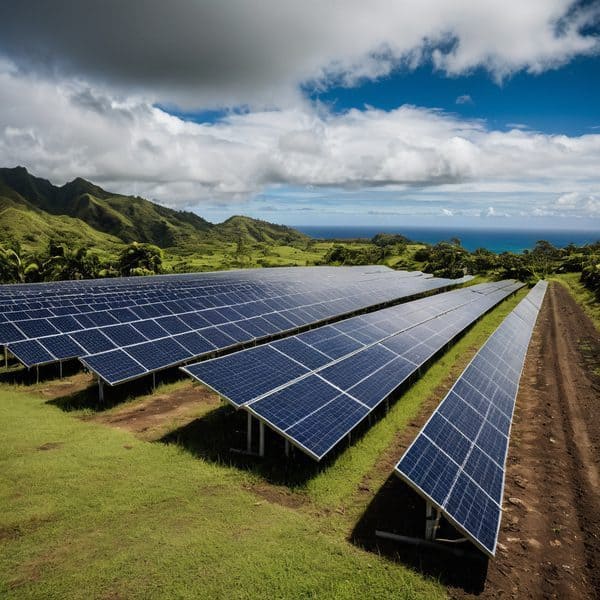
Stiell framed climate cooperation as central to addressing both economic and environmental threats, arguing the clean energy transition can restore national sovereignty and affordability. “Clean energy offers security and affordability – returning sovereignty to nations and their peoples,” he said, adding that the need to accelerate climate action “has never been clearer.” He called for the world to move beyond pledges to concrete projects, saying “negotiations are one – and they remain critical. Now, in this era of implementation – we must turn them into projects on the ground.”
A core element of Stiell’s message was a call to scale up finance and cooperation for developing countries. He urged “far more finance flowing into developing countries” and said priority areas include modernising energy systems, reducing methane emissions and strengthening food systems and resilience measures. “Methane is an ultra-potent greenhouse gas. Slashing emissions by 2030 will have a huge impact on putting the brakes on global heating,” he said. He also pressed for early warning systems as a lifesaving resilience investment.
Stiell highlighted the UN’s Action Agenda as the vehicle to accelerate implementation, arguing it has been “mobilizing trillions of dollars within the real economy” and that “most notably, the clean energy transition is now irreversible.” He urged that the Action Agenda be elevated “to share centre-stage with negotiations” so that by the second global stocktake at COP33 the world can evidence measurable progress from the commitments made at the first stocktake at COP28.
The remarks come as Pacific nations face immediate consequences from elevated fuel and food costs. Regional analysts warned in March that a spike in oil prices linked to Middle East tensions has put island economies under strain, forcing hard choices on transport, food imports and budgets. Fiji and other Pacific states have long pushed for climate justice and accelerated support for a fossil-fuel-free future; Stiell’s speech underscores why those calls now carry both environmental and macroeconomic urgency.
UN Secretary-General António Guterres, also addressing climate gatherings this week, echoed the need to ramp up clean energy deployment, urging countries to “unleash the renewables revolution.” With COP33 approaching, Stiell’s intervention seeks to nudge donor countries and private investors toward delivering the finance and projects that small and vulnerable states say they urgently need.