Palau’s growing role as a strategic staging ground for the United States military is drawing fresh scrutiny after a Guam-based think tank released a report this week documenting alleged environmental breaches and rising local unease — developments arriving as Palau’s president makes a historic first State visit to New Zealand.
The Pacific Centre for Island Security’s Micronesia Security Outlook 2025, authored in part by Jodean Remengesau, director of the Bureau of Agriculture in Palau’s Ministry of Agriculture, Fisheries and the Environment, argues that guardrails built into the Compact of Free Association to protect Palau’s environment and sovereignty have been eroded by an accelerated U.S. military buildup. Remengesau says the U.S. has “missed and fell short of fulfilling its duties and responsibilities under the compact,” and the report documents specific instances where Palauan law and environmental procedures were not followed.
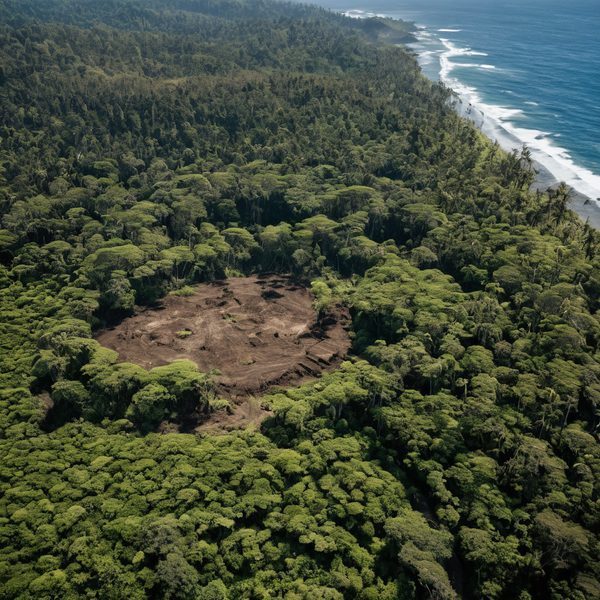
One high-profile example cited is the clearance of some 271,807 square metres of land on Angaur state in 2023 to host part of a tactical mobile over-the-horizon radar system. The report says the land was cleared without the required environmental earthmoving permit or community consultations, and that piles of shredded tree debris left at the site heightened the risk of an invasive coconut rhinoceros beetle infestation. Angaur Governor Steven Salii filed suit in 2023 against Palau’s central government, the Palau Environmental Quality Protection Board, the U.S. government and military contractors, alleging breaches of Palauan environmental law and compact obligations over the clearing.
The report also draws attention to shifts in how infrastructure has been presented to Palauans. What was initially portrayed as a single shoreline radar system for mutual use, the paper says, later appeared to involve separate installations serving U.S. military needs — a point the authors warn undermines transparency and local trust. The U.S. has committed an US$890 million package to Palau over 20 years under the renegotiated compact, a cycle that began on October 1, 2023, and a US$118 million radar project is expected to be operational in 2026, the report notes.
Remengesau and the Pacific Centre argue that the geopolitical competition between the U.S. and China has made Palau’s strategic location more valuable, but that the trade-offs for Palauans — environmental harm, limited consultation and a perceived erosion of sovereignty — require closer scrutiny. “The island nation’s peace and sovereignty as its people once knew it has been increasingly compromised by accelerated militarization,” the report states.
Palau’s leader, referred to in the report as Whipps, made a first-ever State visit to New Zealand on April 13, 2026 — a diplomatic milestone observers say comes at a sensitive moment for the Pacific as regional partners weigh the implications of expanded foreign military footprints. The report’s release during this diplomatic outreach highlights the growing domestic and regional attention on how security arrangements are negotiated and implemented in the Pacific.
The Pacific Centre calls for stronger enforcement of environmental obligations under the compact, greater transparency around military projects, and enhanced community consultation. The report adds to a string of local concerns and legal action already under way in Palau, and signals that debates over development, aid dependence and security in the Pacific are likely to intensify as new military infrastructure comes online.
Leave a comment