
A new security review says growing local disquiet over the United States’ military expansion in Palau has exposed gaps in protections the Compact of Free Association was meant to guarantee, raising fresh concerns about environmental harm and the erosion of local decision‑making as the strategic rivalry between Washington and Beijing deepens.
The Guam‑based Pacific Centre for Island Security’s Micronesia Security Outlook 2025, published this month, singles out Palau as a flashpoint. Jodean Remengesau, director of the Bureau of Agriculture in Palau’s Ministry of Agriculture, Fisheries and the Environment, authored the Palau chapter and argues that the guardrails embedded in the compact “are rendered ineffective by the accelerated military buildup,” leaving communities sidelined. “The U.S military had missed and fell short of fulfilling its duties and responsibilities under the compact of the U.S with Palau,” Remengesau writes in the report.
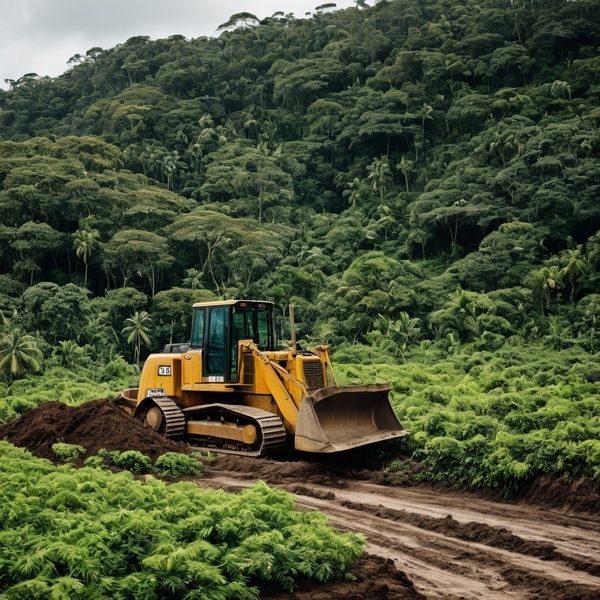
The paper documents specific environmental and governance grievances, focusing on the installation of a tactical mobile over‑the‑horizon radar system on Angaur. Remengesau says the site was cleared without an environmental earthmoving permit or the community consultations Palauan law requires. The report recounts how “piles of shredded tree debris inviting invasive coconut rhinoceros beetle infestation at (the radar site) were later dumped on residents’ yards in a rushed effort to deal with the problem,” an outcome the compact’s environmental clauses were intended to prevent.
Those local complaints have already spawned legal action. In 2023 Angaur Governor Steven Salii brought suit against Palau’s central government, the Palau Environmental Quality Protection Board, the U.S. government and military contractors, alleging that some 271,807 square metres of land had been disturbed without the required environmental impact assessments or permits. The case is cited in the report as emblematic of a broader failure to reconcile national security projects with Palau’s statutory environmental safeguards.
The report comes as Palau adjusts to a renegotiated Compact of Free Association that began a new funding cycle on October 1, 2023, under which the United States pledged US$890 million over 20 years and reaffirmed its defence responsibilities for the island nation. The think tank notes that the compact’s financial lifeline — a large portion of Palau’s government budget — complicates the country’s ability to push back against expanded U.S. military use of Palauan territory and resources.
Washington’s push is moving ahead quickly: the report notes a US$118 million radar project in Palau is expected to be operational this year. That timeline, the authors say, magnifies tensions over how defence priorities are balanced with environmental oversight, customary land rights and local consent.
The findings arrive in the same week Palau’s leader made history with the country’s first State visit to New Zealand — an event that underscored Palau’s rising diplomatic profile as it negotiates the tradeoffs of hosting greater military capability. The report frames the developments in Palau within the broader U.S.–China rivalry, warning that accelerated militarisation risks compromising “the island nation’s peace and sovereignty as its people once knew it.”
The Pacific Centre for Island Security urges clearer, enforceable mechanisms to ensure environmental obligations under the compact are upheld and for greater transparency and community engagement in security projects. For Palau, the report signals renewed scrutiny of how international security partnerships are implemented on the ground and the legal and ecological consequences for the islands.