
A new report by the Guam-based Pacific Centre for Island Security says Palau’s expanding role as a U.S. strategic outpost is producing growing local dissatisfaction, with environmental safeguards and community consultation enshrined in the Compact of Free Association being routinely sidestepped. The Micronesia Security Outlook 2025 warns that guardrails meant to protect Palau’s environment and sovereignty are being undermined by an accelerated U.S. military buildup that has left many Palauans “out of the loop,” the report says.
Jodean Remengesau, director of the Bureau of Agriculture in Palau’s Ministry of Agriculture, Fisheries and the Environment and author of the Palau section of the report, directly criticises the U.S. military for failing to meet environmental duties set out in the compact. “The U.S military had missed and fell short of fulfilling its duties and responsibilities under the compact of the U.S with Palau,” Remengesau writes, according to the report, which details specific incidents he says illustrate that failure.
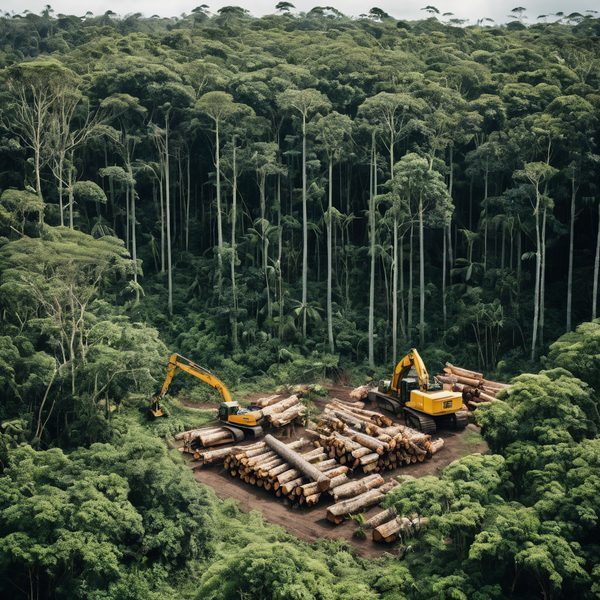
One such incident highlighted by the report is the clearing of land on the southern state of Angaur to host an initial site for a tactical mobile over‑the‑horizon radar system. The authors say the clearing — later quantified in legal filings as 271,807 square metres — proceeded without the environmental earthmoving permits, environmental impact assessment and community consultations required under Palauan law. The report adds that shredded tree debris from the work created a pest risk, with material “later dumped on residents’ yards” in attempts to manage the infestation threat, an outcome the compact’s environmental stipulations were intended to prevent.
Local pushback has moved into the courts. In 2023 Angaur Governor Steven Salii filed suit naming Palau’s central government, the Palau Environmental Quality Protection Board, the U.S. government and military contractors, alleging violations of Palau’s environmental laws and the compact’s terms over the land clearance. The case underscores rising tensions between national authorities, state governments and communities over how military infrastructure is sited and managed.
The report places these disputes against the backdrop of the renegotiated compact, under which the United States pledged an US$890‑million aid package to Palau over 20 years that began on October 1, 2023, and reaffirmed U.S. defence responsibility for the islands. Because a substantial share of Palau’s national budget depends on compact funds and foreign aid, the report argues Palau is likely to see expanded U.S. military usage of its territory — a dynamic that complicates enforcement of local environmental protections.
The timing of the findings is sharpened by an imminent operational milestone: the U.S. military’s US$118‑million radar project in Palau is expected to be up and running this year, the report notes. It also raises concerns that infrastructure initially presented as a single, mutually used shoreline radar facility has effectively expanded into separate installations under U.S. military control, a development that the report says was not adequately disclosed to Palauan authorities or communities.
The Pacific Centre for Island Security’s assessment frames Palau’s situation as part of wider U.S.-China strategic competition in the region, and as a cautionary example of how rapid militarisation can strain small island governance, environmental safeguards and local consent mechanisms. The report’s authors call for more stringent adherence to the compact’s environmental clauses and for greater transparency and consultation to address the growing unease among Palauans.