
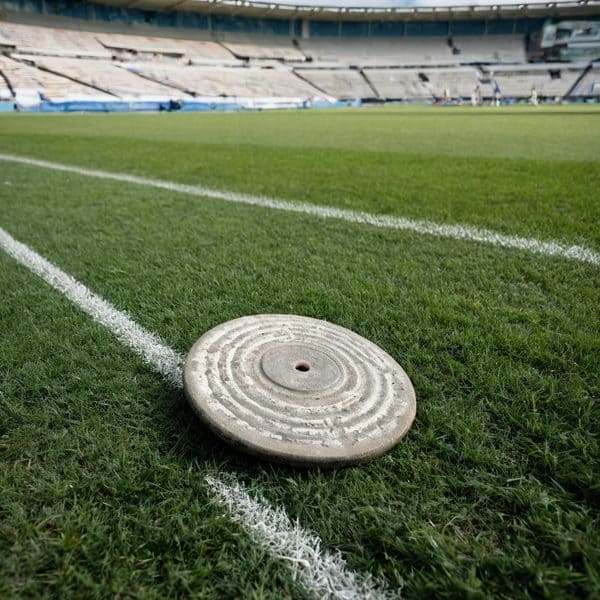
Brieanna Rabakewa threw a seismic blow at this year’s Coca‑Cola Games, launching the Senior Girls discus 46.88 metres to win gold and shatter a seven‑year meet record. The Swami Vivekananda College athlete eclipsed the previous mark of 39.24m set by Ana Baleira of ACS in 2017, improving the standard by 7.64 metres and setting a new benchmark for girls’ discus at the national schools carnival.
Rabakewa’s record‑breaking effort came on what she described as a culmination of years of unseen sacrifice and steady work. “From the moment I picked up the disc till now I never stopped training, even during the holidays and bad weather,” she said, outlining a regimen built on consistency rather than sudden change. She also revealed how her early coaching began at home: “My journey started off with just me and my dad both learning how to throw through videos on YouTube and TikTok, and from then till today we still do!”
Ratu Sukuna Memorial School’s Loata Lewageena pushed Rabakewa all the way, taking silver with a strong 44.17m throw, while Saint Joseph’s Secondary School’s Maryann Macedru recorded 41.14m to claim bronze. The podium finishers marked a competitive final and highlighted the depth developing in Fiji’s girls’ throws events at schools level.
Beyond the distances, Rabakewa used her victory speech to spotlight the personal costs and complexities of being a student‑athlete. Now in her fifth year competing at the Coca‑Cola Games, she spoke candidly about the pressure to perform, the strain of balancing schoolwork and training, and the struggle to build an identity beyond sport. “There are so many things we as athletes go through that people don’t always see,” she said, urging openness about mental and emotional challenges that often go unreported.
Her message blended realism with faith and resilience. Rabakewa encouraged younger athletes to persist through burnout and doubt, stressing that the sacrifices shape character as much as results. “Even with everything you are going through, the Lord would never put you through anything that you cannot overcome,” she said, positioning her win as both a personal milestone and a platform to support others navigating similar pressures.
Coaches and spectators at the Coca‑Cola Games welcomed the new record as a sign of progress for girls’ throws and for school athletics coaching. Rabakewa’s pathway — largely self‑driven early on, then honed through disciplined repetition — underscores how grassroots resourcefulness, when combined with continued commitment, can translate into national achievements.
Her 46.88m mark now stands as the target for upcoming seasons and for rivals such as Lewageena and Macedru. For Rabakewa, the throw was not just a gold medal performance but a statement of perseverance: a visible, measurable outcome of years of quiet work and a public reminder that athlete development often grows out of modest beginnings and untold struggles.