
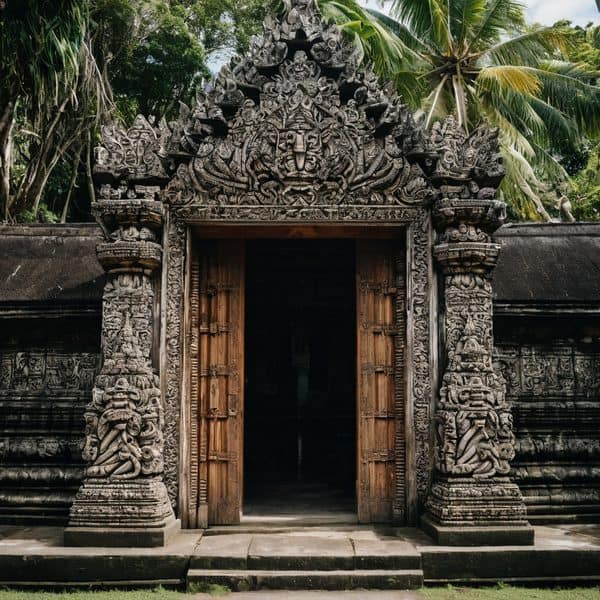
The State has asked a Suva magistrate to acquit 40‑year‑old Samuela Tawase on the grounds of insanity, saying expert evidence shows he was suffering from a mental illness at the time he damaged religious idols at the Samabula Shiv Temple in July last year. In closing submissions on Thursday, prosecutor Livai Tuvuiya told Magistrate Yogesh Prasad that two expert State witnesses had confirmed Mr Tawase lacked the mental capacity to understand the nature and wrongfulness of his actions.
Mr Tuvuiya urged the court to find that an acquittal on insanity grounds is appropriate, and proposed that, rather than being returned to the community, Mr Tawase be placed for treatment and supervision at St Giles Psychiatric Hospital under provisions of the Mental Health Act. The prosecutor framed the proposal as a measure to balance Mr Tawase’s rights to care with the need to protect the community.
When questioned by the court, Mr Tawase said he would prefer to return home to his family. Magistrate Prasad, however, flagged concerns about that option, warning that returning home could expose Mr Tawase to substance abuse — including marijuana or methamphetamine — which could endanger both him and others. The magistrate noted Mr Tawase’s conduct while in custody, particularly his cooperation with authorities and abstinence from substances, as indicators that supervised treatment and rehabilitation were possible.
The hearing on the charges of damaging religious idols at the Samabula Shiv Temple has reached the stage of final submissions after expert testimony from State witnesses. With the State now seeking an insanity acquittal coupled with institutional treatment, the case moves from a question of criminal culpability to one of appropriate medical and custodial response under mental health law.
Magistrate Prasad said the court must prioritise community safety while also ensuring any outcome respects Mr Tawase’s legal and medical rights. He reserved his decision on whether Mr Tawase should be released to his family or placed under institutional care, setting a date for the final ruling: Friday, May 8.
The outcome will determine whether Mr Tawase is formally acquitted on mental health grounds and, if so, whether the court orders his admission to St Giles for treatment under the Mental Health Act or permits his conditional release to family supervision. The decision will mark the next significant development in a matter that has drawn attention both for its religious sensitivities and for legal questions about how Fiji’s courts manage defendants with mental illness.