PAC – LATEST DEVELOPMENTS, 10 April 2026 — Pacific leaders and experts warned Friday that the region is facing a cluster of converging crises — from a fragile maritime supply chain and rising fuel costs to growing security and health pressures — and pushed a mix of near-term practical fixes and policy changes to shield vulnerable island communities.
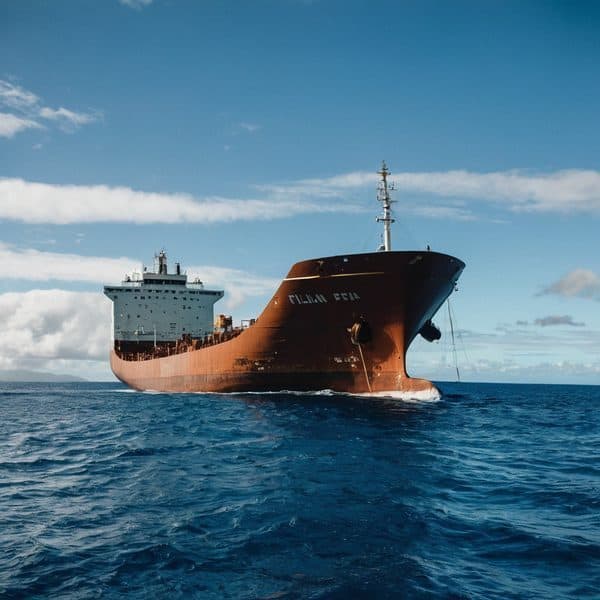
The most immediate concern remains the Pacific’s shipping lifeline. Speaking at a regional discussion on low‑carbon maritime transport, Natasha Chan of the Micronesian Centre for Sustainable Transport described domestic shipping as “our absolute lifeline,” saying high fuel costs, ageing vessels and weak maintenance systems leave many communities exposed to isolation, empty shelves and fuel shortages. Chan told delegates that research shows fuel savings of at least 40 percent are achievable now if mature technologies are properly applied in the Pacific context, and she and other experts pointed to wind‑assisted propulsion — modern sails and rotor systems — as one of the most practical near‑term options. Historical tests during the 1980s fuel crisis produced around 30 percent savings; new materials and designs could improve outcomes for the small, dispersed vessels common in the region.
The increased urgency on shipping reform comes as regional policymakers ramp up institutional support. Prior coverage has tracked the International Maritime Organization’s Regional Presence Office in Suva and Fiji’s recent moves to tighten rules on derelict vessels and shipwreck insurance. Advocates say aligning that momentum with targeted climate and development finance could unlock investments in appropriately scaled low‑carbon vessels and maintenance systems for Pacific inter‑island services.
Security concerns surfaced alongside the maritime debate. Timor‑Leste President José Ramos‑Horta warned this week that his country — and by implication the broader region — is vulnerable to infiltration by foreign organised crime groups, an observation officials say heightens the need for stronger maritime governance, customs and financial oversight. That warning dovetails with reporting that investigators are pursuing a politically connected crypto project alleged to be linked with an international scam syndicate, a matter that regional authorities say requires tight cross‑border cooperation to prevent money flows that could undermine development and public trust.
Public health and social safety nets also featured in the bulletin. Gizo Hospital in the Solomon Islands declared a state of emergency, underscoring ongoing pressures on provincial health services; at the same time Papua New Guinea Health Minister Sir Puka Temu Kapavore publicly praised a visiting Chinese medical ship for its support during outreach activities. Education and youth support received a boost after the University of the South Pacific announced it has doubled student support amid a global crisis, a move university officials said is designed to protect access to higher education during economic shocks. The Pacific’s outreach and moral support networks were signalled as active when the World Council of Churches’ general secretary confirmed plans to attend the upcoming Pacific Church Leaders’ Meeting in Fiji.
Domestic governance and living‑cost issues also made news. Fiji’s Chief Justice has described retirement rules for the judiciary as “discriminatory,” bringing a legal and employment debate into public view. Meanwhile a new statement from a figure identified as Anthony warned that a planned fuel price increase will have a “drastic” impact on Fiji workers, reinforcing why moves to cut shipping fuel use resonate beyond environmental goals and into day‑to‑day household affordability.
Finally, regional disaster preparedness retains prominence: the Weather Ready Pacific initiative is strengthening early warning systems to safeguard communities from extreme events, a priority officials say must keep pace with the mounting pressures on transport, health and governance. Together, the developments sketch a Pacific confronting immediate operational shortfalls and strategic vulnerabilities — and seeking both pragmatic technical fixes, like wind‑assisted ships, and deeper reforms in governance, finance and social protection to build resilience.
Leave a comment