shipping
-
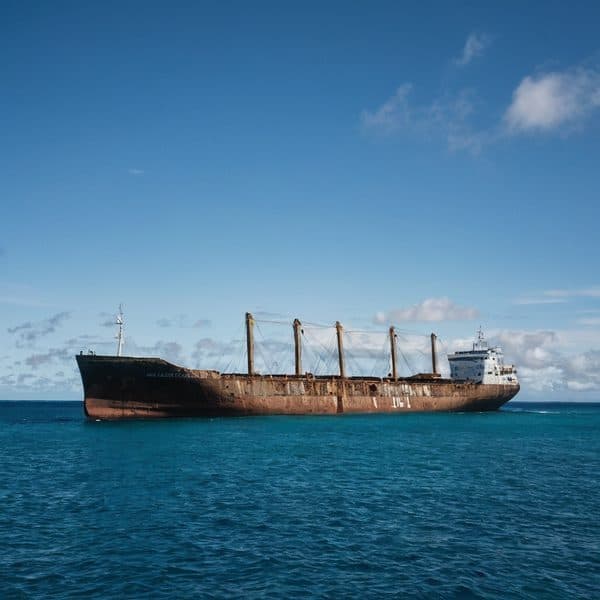
Pacific in Crisis: Shipping Lifeline Under Strain as Climate, Security and Health Pressures Escalate
Fresh Pacific developments are highlighting mounting challenges across shipping, security, climate and health. As governments push urgent responses—from fuel resilience and safer transport to climate adaptation and health-system stress—the region stands at a crossroads that could redefine its future.
-
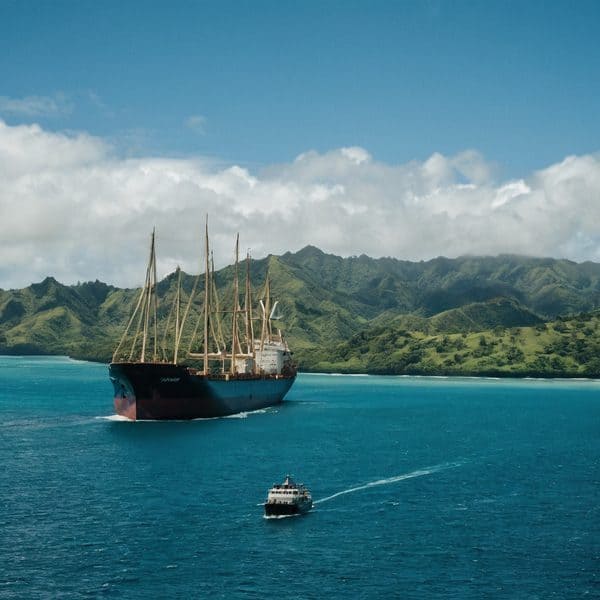
Pacific Islands Bet on Wind-Assisted Shipping to Cut Fuel Costs Up to 40%
Pacific shipping is at a crossroads, with experts urging a rapid shift to wind-assisted and other low-carbon technologies to curb rising fuel costs and climate risk. New analyses hint at meaningful fuel savings—yet only with Pacific-specific research, financing, and adaptation of existing tech. As governance, resilience, and regional cooperation expand, the coming decade could reshape…
-
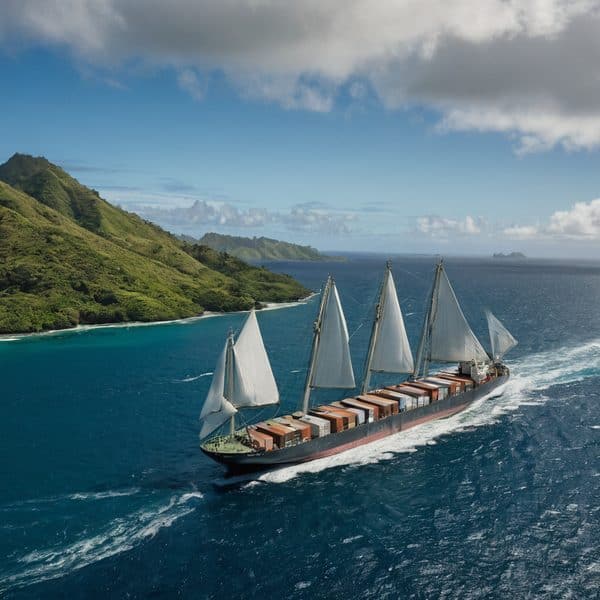
Pacific shipping at crossroads as wind-assisted propulsion could slash fuel costs for remote island communities
Pacific shipping, the lifeline for remote island communities, is at a crossroads. Regional experts say wind-assisted propulsion and other low-carbon tech could meaningfully cut fuel use, but require tailored R&D, new financing and pilots to work in Pacific conditions. The question now is whether investment will strengthen lifelines or leave islands isolated and costly.
-
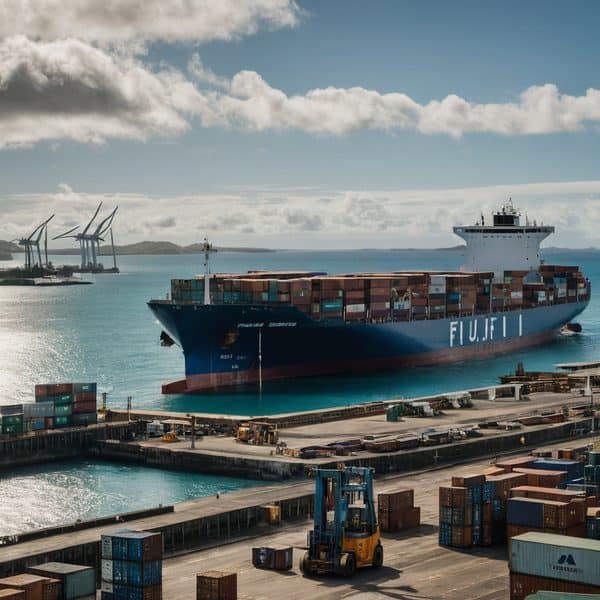
Wind-Assisted Shipping Urgently Reshapes Pacific Island Freight as Aging Fleets Drive Up Fuel Costs
In the Pacific’s far-flung supply chains, ageing ships and soaring fuel costs threaten remote communities’ shelves and services. Wind-assisted propulsion and other low-carbon options could cut fuel use, but real gains depend on targeted investment and policy support.
-
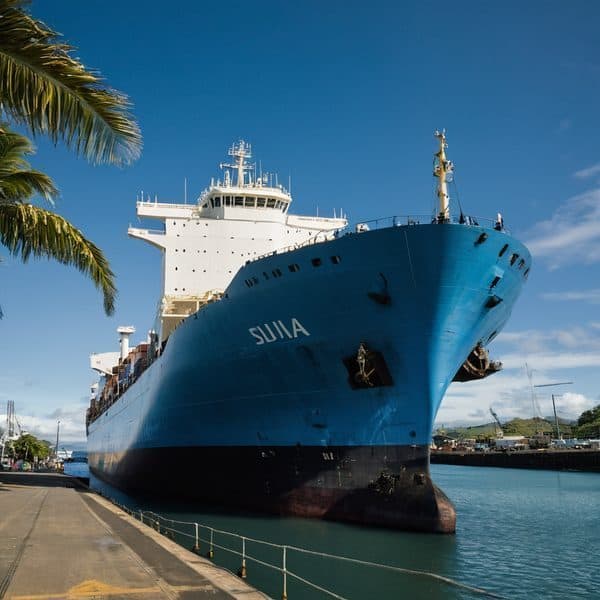
Pacific Islands Push Wind-Assisted Propulsion to Avert Supply Crises and Cut Carbon
Pacific Island shipping is at a tipping point as fuel costs rise and fleets age. A push for wind-assisted propulsion promises immediate fuel savings, but turning it into reliable, low-carbon lifelines for island communities will require targeted design, pilots and financing.
-
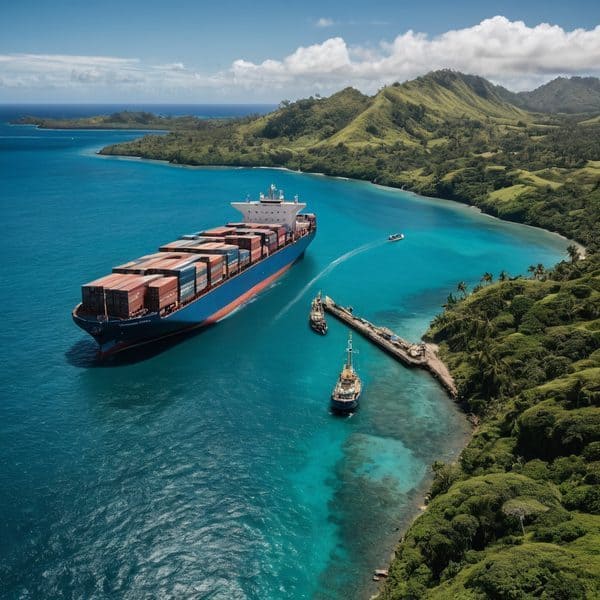
Pacific Decarbonisation Push for Wind-Powered Shipping Faces Security and Health Challenges
Fresh pressures ripple through Pacific island nations as shipping lifelines, security threats, and health emergencies meet mounting climate risks. A bold push for wind-assisted, low-carbon shipping sits alongside rising crime concerns and urgent resilience efforts, hinting at a tangled path toward safer seas and stronger communities.
-
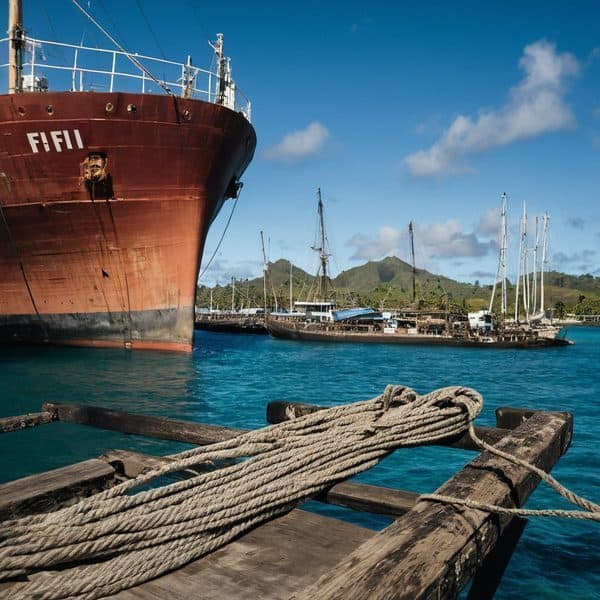
Pacific Islands Turn to Wind-Assisted Shipping to Cut Costs and Strengthen Resilience
Pacific Island shipping is at a crossroads: aging, fossil-fuelled fleets threaten supply lines to remote communities as fuel costs spike. Experts argue that wind-assisted propulsion and targeted, low‑carbon technologies could restore resilience—if regional research, investment and policy support catch up with the need.
-
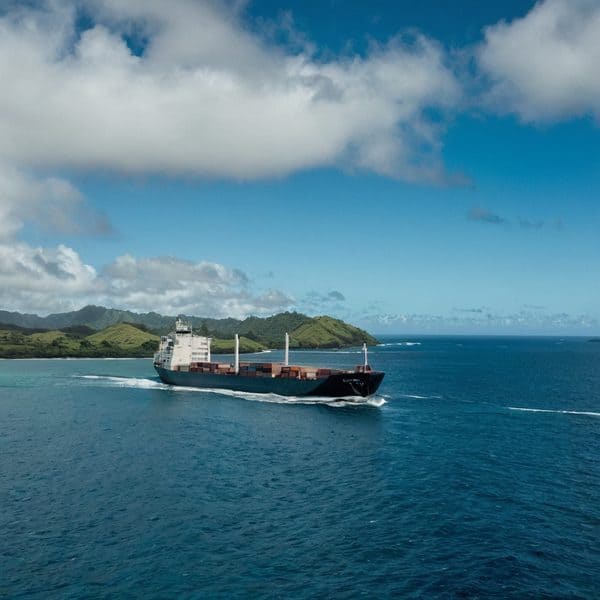
Wind-assisted Vessels Could Slash Pacific Island Shipping Costs and Emissions, Experts Say
Pacific Island shipping stands at a crossroads: aging fleets and rising fuel costs threaten to leave remote communities cut off. Wind‑assisted propulsion offers a practical near‑term path to lower costs and emissions, but turning promise into reality requires tailored funding, regional innovation, and stronger local capacity. The challenge is as much financial and institutional as…
-
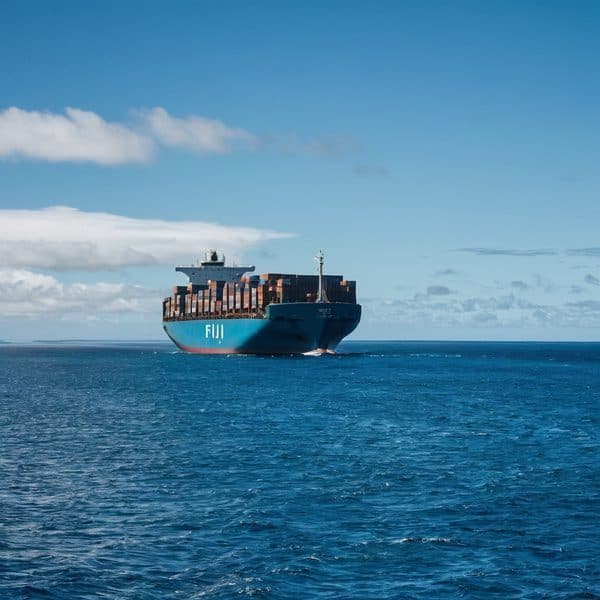
Pacific shipping lifeline at risk as wind-powered decarbonisation push gains momentum
Pacific shipping — the region’s lifeline — is under pressure from aging fleets and rising fuel costs, fueling delays and vulnerabilities. Experts point to a rapid shift to low‑carbon options, including wind‑assisted propulsion, to cut fuel use and boost resilience. A broader look at health, governance and climate priorities shows how risk and opportunity intersect…
-
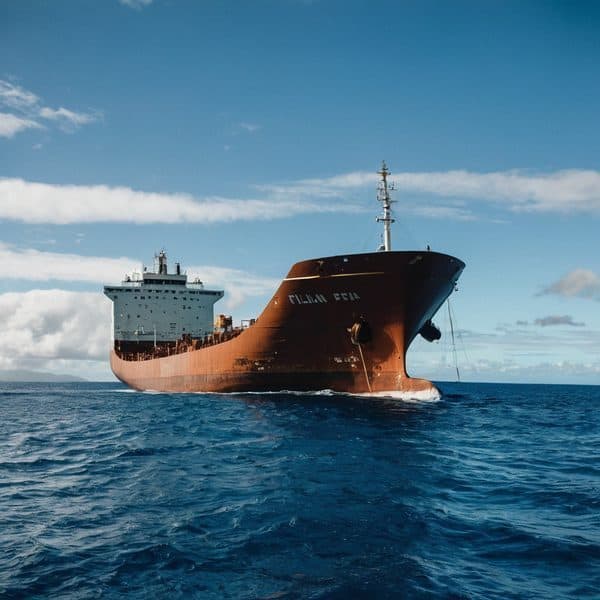
Pacific Turns to Wind‑Assisted Shipping to Cut Costs and Boost Resilience
Pacific leaders warn of converging crises—from fragile shipping and rising fuel costs to health and security pressures. Yet experts point to practical fixes like wind-assisted ships and smarter development finance that could shore up island communities, if action follows.