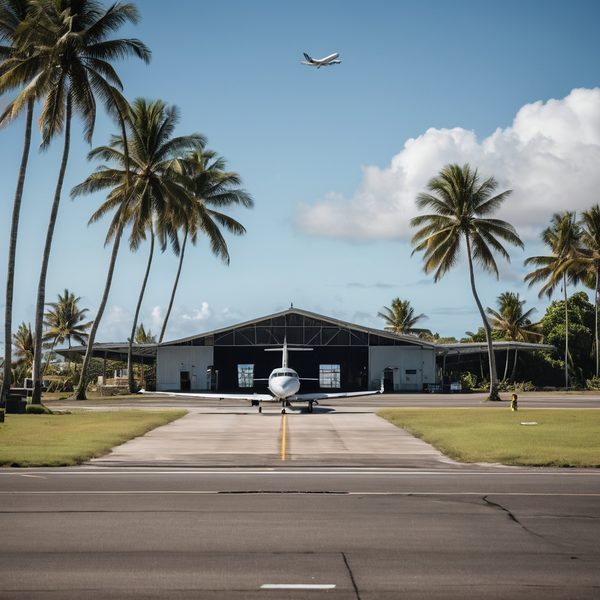
WELLINGTON/SUVA — New Zealand Prime Minister Christopher Luxon said on Thursday there is no immediate risk to Pacific leaders travelling to Palau for the Pacific Islands Forum (PIF) in August, while warning his government stands ready to step in if fuel pressures linked to the Middle East crisis worsen.
“At this point we don’t see any risk of that. There is no risk to any fuel disruption for us and that’s a good thing. But August is a long way away,” Luxon told reporters, adding that no Pacific leader had yet requested New Zealand assistance. The Prime Minister’s comments come as island capitals monitor higher global fuel prices and strains on supply chains that have peaked again in recent months amid regional geopolitical tensions.
Palau President Surangel Whipps Jr., who confirmed a recent visit to Aotearoa, also sought to downplay the immediate threat to PIF attendance. “I don’t think that [the fuel crisis] should affect [leaders] coming to PIF but we’re very grateful to New Zealand, Australia and the United States who are willing to go around and pick up leaders and bring them to PIF,” Whipps told Pacific Mornings. His remarks underscore Palau’s reliance on partner support — and the practical travel complexities facing many Pacific leaders.
For smaller island states such as Sāmoa, Tonga and Niue, reaching Palau typically involves long, multi-leg journeys through transport hubs including Guam, Japan and the Philippines. That vulnerability — highlighted in earlier warnings from regional regulators and consumer watchdogs in March — has prompted governments to prepare contingency plans. New Zealand has precedent in this role: it helped ferry leaders to the Forum in Tonga in 2024 and again to Honiara last September when travel options were limited.
Deputy Foreign Minister Winston Peters reiterated the broader stakes for the region in a government statement, saying the Forum and related meetings were “an important moment” for Pacific unity amid a challenging global strategic environment. His comments reflect growing concern among Pacific island states that disruptions to fuel supplies and rising costs could cascade into wider economic and service delivery pressures.
While the immediate outlook for Palau travel remains stable, the bulletin of regional developments on Thursday highlighted other steps being taken to bolster resilience. Tonga has launched a five-year multi-hazard strategy for risk communication and community engagement, a programme designed to strengthen public information and preparedness across a range of climate, health and disaster risks. The initiative aims to ensure communities receive timely, actionable guidance when supply or service disruptions occur.
Environmental pressure points were also flagged: a new study released this week ranks the Hawaiian monk seal as the marine mammal most at risk of extinction from plastic pollution, a finding that raises fresh concerns for biodiversity and marine health across the Pacific. Taken together, these developments illustrate how the region is grappling with interconnected threats — from energy supply shocks and geopolitical spillovers to long-term environmental degradation — even as leaders plan to converge in Palau in August.
For now, organisers expect leaders to travel as planned, but officials in Wellington, Palau and across the region say they will continue to monitor fuel markets and logistics closely and stand ready to activate support should conditions deteriorate.
Leave a comment