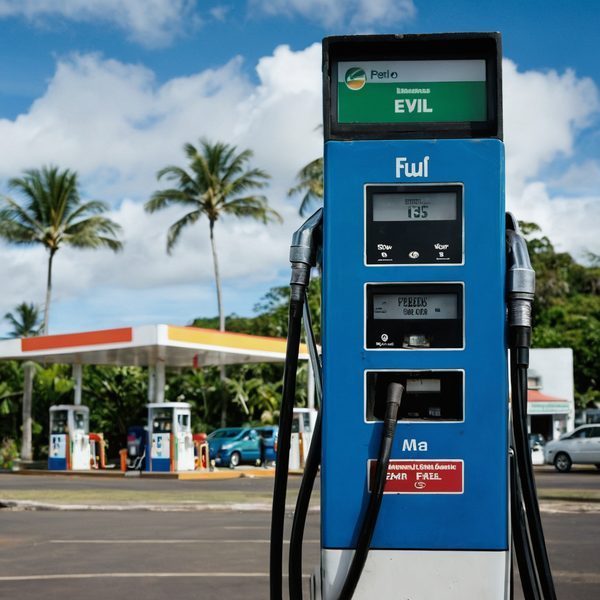
Wellington — New Zealand Prime Minister Christopher Luxon has told journalists there is no immediate risk to Pacific leaders travelling to Palau for this year’s Pacific Islands Forum (PIF), but he warned Canberra and other partners remain ready to assist if the region’s fuel pressures worsen ahead of the summit in August.
Speaking on April 16, Luxon said the government sees “no risk to any fuel disruption for us” at present, but added the situation could change with months still to go before the leaders’ meeting. “At this point we don’t see any risk of that. There is no risk to any fuel disruption for us and that’s a good thing. But August is a long way away,” he told reporters, underlining New Zealand’s willingness to step in if Pacific nations request support.
Palau President Surangel Whipps Jr, who visited Aotearoa last week, echoed the calmer tone and thanked New Zealand, Australia and the United States for offering practical help to get island leaders to the Forum if needed. “I don’t think that [the fuel crisis] should affect [leaders] coming to PIF but we’re very grateful to New Zealand, Australia and the United States who are willing to go around and pick up leaders and bring them to PIF,” Whipps told Pacific Mornings while in Wellington.
The reassurances follow regional concern about the downstream impacts of the Middle East crisis on global fuel prices and supply chains, which in March prompted warnings from Pacific agencies and economic regulators about the potential for higher transport and electricity costs. For many island states, travel to Palau is logistically complex: leaders from Samoa, Tonga and Niue rely on a handful of international connections through hubs such as Guam, Japan and the Philippines, and any disruption to flights or fuel availability can have outsized consequences.
Foreign Minister Winston Peters stressed the diplomatic importance of the upcoming gatherings in Palau and New Zealand as moments for the region to present a united front. “The region faces a very challenging global strategic environment, and in this context, Pacific countries best advance our shared interests when we work together, showing strength through unity,” Peters said in a New Zealand government release accompanying Luxon’s comments.
New Zealand has previously stepped in to help Pacific travel: it assisted in transporting leaders to the Forum in Tonga in 2024 and again to Honiara last September. Despite those precedents, the government has not yet confirmed which New Zealand ministers or officials will attend the Palau Forum this year, a detail Pacific capitals are watching as planning continues.
The latest developments also sit alongside broader regional preparedness efforts. Tonga has launched a five‑year multi‑hazard strategy aimed at improving risk communication and community engagement, a move officials say will strengthen resilience amid a period of heightened supply‑chain and climate pressures. Separately, a new conservation study released this week ranked the Hawaiian monk seal as the marine mammal most at risk of extinction from plastic pollution — a reminder that environmental threats persist even as governments plan for geopolitical and economic shocks.
For now, regional leaders are still expected to make the journey to Palau as planned, but Luxon’s comments underline that contingency planning — and the capacity for larger partners to assist — remains central to ensuring Pacific participation at the Forum if global fuel markets deteriorate.
Leave a comment