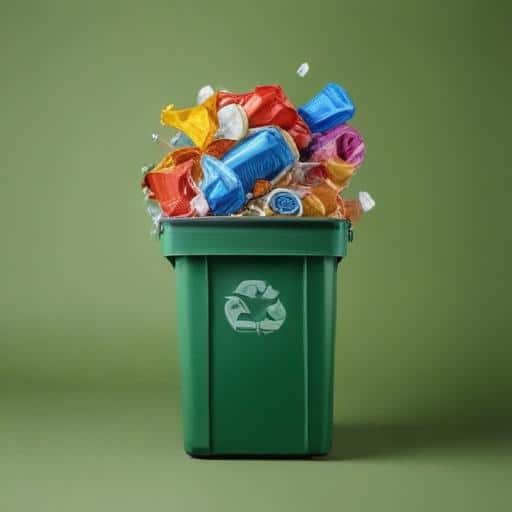
Moce Benu, a notable initiative at the Centre for Appropriate Technology and Development (CATD) in Nadave, is making strides in Fiji by educating students on waste minimization and plastic upcycling. Founded by former students Losana Tinainuku and Filimoni Delasau, this project has garnered seed funding from the British High Commission, drawing on technological advancements from the LPM project in Australia.
The process of upcycling involves collecting unwashed and unsorted waste plastic, often considered too costly to recycle. This discarded plastic undergoes a transformation through melting and compression into useful products like bowls, platters, flying discs, and even building materials. These items are then enhanced with an outer layer of materials such as cotton, hemp, tapas, or fiberglass, adding aesthetic appeal and consistency in physical properties, along with opportunities for customization including logos or advertisements.
In addition to its product development, Moce Benu is setting up collection points at local schools, where it actively involves students in hands-on education regarding waste reduction and upcycling practices. This approach promotes sustainability and environmental consciousness among the younger generation.
This initiative complements other recent efforts in Fiji, such as the Circular Pacific Plastics Project, which addresses soft plastic pollution by actively engaging businesses and consumers. Together, these projects reflect a positive trend toward enhanced waste management and environmental sustainability in the region.
As Fiji confronts its waste management issues, initiatives like Moce Benu exemplify how community participation and educational programs can foster significant contributions to an eco-friendlier future. The collaboration between local entities and international organizations underscores a shared commitment to sustainability, showcasing the possibility of innovative solutions sprouting from grassroots efforts.
Leave a comment