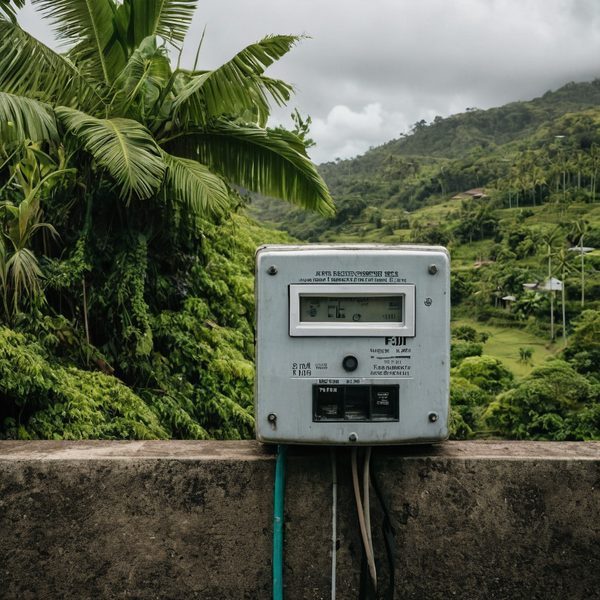
Energy Fiji Limited (EFL) has urged Fijians to cut electricity use immediately as a sharp global surge in fuel prices places fresh pressure on the country’s power system, even as the utility says it can continue to meet demand for now.
Chief executive Fatiaki Gibson told reporters this week that geopolitical tensions driving international crude prices have pushed Brent from about US$65–70 per barrel to more than US$120, triggering a greater-than-70 percent increase in EFL’s fuel expenses. “Fiji’s power system remains resilient, and we are taking all necessary steps to manage the impacts of this global crisis. However, rising fuel costs and potential supply disruptions present real risks,” he said, urging collective action to safeguard the grid.
EFL said about 45 to 50 percent of the country’s electricity generation still relies on imported fuel, leaving Fiji exposed to international market swings. That vulnerability is underscored by a rise in national peak electricity demand, which has now topped 200 megawatts, EFL confirmed. Gibson warned that continuing to operate without a tariff review — the company has not had one since 2023 — and without full cost recovery is “not sustainable in the long term.”
The new appeal for conservation comes as electricity pricing has already been a flashpoint in recent months. EFL sought a 32 percent tariff increase earlier in the year, an application turned down by the Fijian Competition and Consumer Commission on grounds it lacked sufficient justification. Cabinet has also discussed possible tariff adjustments, prompting concern among businesses about higher operating costs. The latest cost shock from fuel adds fresh urgency to those debates and to EFL’s call for public cooperation.
While stressing supply remains stable, Gibson said EFL is accelerating its transition to renewable energy to reduce reliance on volatile fuel imports. No detailed timeline or new project approvals were announced in his remarks, but he framed longer-term decarbonisation and greater local generation as key to energy security and economic sustainability. “The energy sector remains a critical pillar of Fiji’s economy and must be supported to ensure long-term energy security, national development and economic sustainability,” he said.
In the short term, EFL urged households, businesses and institutions to adopt simple conservation measures — switching off unused appliances, reducing dryer use and curbing non-essential consumption — to lower fuel burn and costs across the system. “You save energy. We save fuel. Together, we protect Fiji,” Gibson said.
The situation remains fluid: sustained high crude prices or supply disruptions would likely intensify pressure on EFL’s balance sheet and could re-open debates over tariff reform and government support. For now, the utility is asking consumers to play a role in managing an episode that highlights both the fragility of fuel-dependent power systems and the strategic importance of the renewable transition for Fiji.
Leave a comment