
Fiji has enough fuel to meet demand for now but faces renewed price pain, Prime Minister Sitiveni Rabuka said, as Cabinet approved a $56 million redeployment to shield households, businesses and essential services from rising global fuel costs. Rabuka set out fresh supply figures on April 19 and warned another domestic price rise is likely in May as international markets remain under strain.
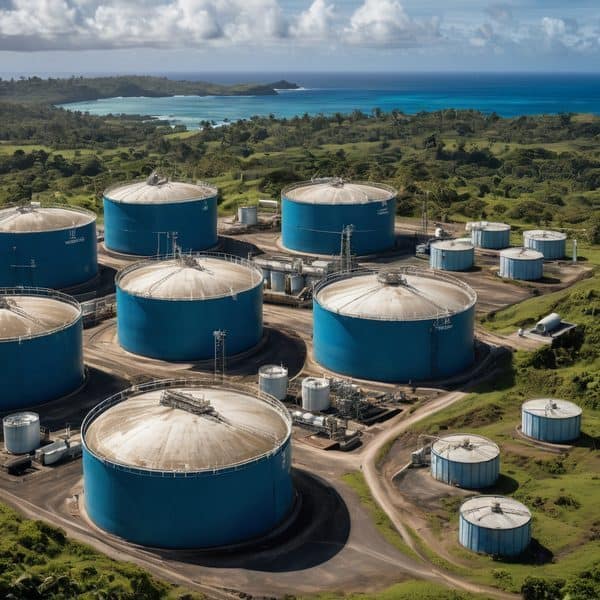
Rabuka told the nation that, as of April 19, Fiji had about 45 million litres of fuel held on land and expected an additional 22 million litres to arrive before the end of April, bringing total available supply for the month to roughly 67 million litres. At the country’s reported daily consumption of about 2.5 million litres, that equates to roughly 27 days’ usage. He said normal drawdown would see stocks fall to around 40 million litres — about 29 percent of national storage capacity — by the end of April, which he characterised as part of the routine supply cycle to allow for safe receipt and discharge of incoming shipments.
Looking beyond April, Rabuka said fuel suppliers have committed to deliver about 118 million litres in May. Once those shipments arrive, he said, national stocks are expected to rebound to more than 59 percent of storage capacity, easing immediate supply concerns. “This is not a fuel shortage crisis. This is a global price crisis,” Rabuka told reporters, linking recent price spikes to the war in the Middle East and disruptions around the Strait of Hormuz. He reiterated that fuel imports are priced in US dollars, so international increases pass through to Fiji’s domestic market, and noted the Fijian Competition and Consumer Commission’s April 1 price review reflected those higher purchasing costs.
The Cabinet move on April 21 approved the redeployment of $56 million (about US$39.95 million) within the existing 2025–2026 Budget to respond to the impact of the global fuel crisis. Rabuka emphasized this was not new borrowing but a reprioritisation of funds from delayed projects to provide immediate relief. He said the government’s priorities are to protect livelihoods, maintain essential services and support those most affected by rising fuel costs.
The announcement provides firmer data than earlier warnings. In March, government and regulators cautioned that escalating tensions in the Middle East and potential closures of the Strait of Hormuz could drive global oil prices higher and disrupt supplies. Those earlier reports focused on risk; the latest figures give concrete stock levels and confirmed supplier commitments, along with a fiscal package intended to blunt the domestic impact.
Despite the reassurances on supply volumes, Rabuka and officials signalled the pressure on prices will persist. He told the public to expect another price adjustment in May driven by international market dynamics rather than local shortages. The redeployed funds aim to soften that blow, though details on the exact distribution of support — such as subsidies, targeted transfers or assistance for transport operators — were not fully outlined in the briefing.
The government’s update will be watched closely by businesses, transport operators and consumers as the Pacific continues to absorb ripple effects from global oil market volatility. With daily consumption running at about 2.5 million litres, the timing and scale of the May deliveries and any subsequent international price movements will determine how severe the next round of domestic price increases will be.