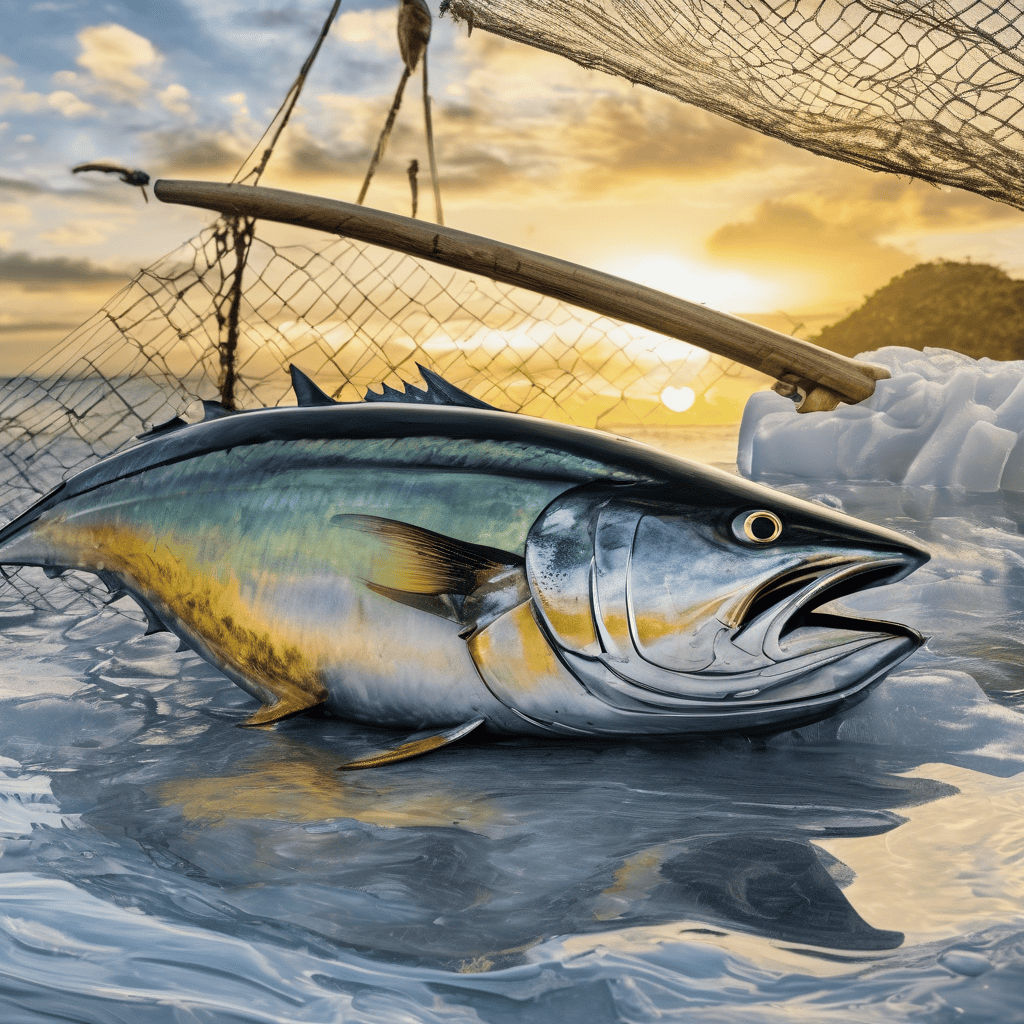
The Pacific Tuna fishery plays a vital role in supporting the national budgets and economic resilience of many member countries. However, ongoing challenges such as climate variability, shifting fish stocks, evolving compliance requirements, and geopolitical pressures have necessitated a reassessment of strategies within the fishing industry.
In response, the Pacific Islands Forum Fisheries Agency (FFA) is embarking on an organizational reset to develop a new strategic plan. “These complexities underscore the need to ensure the agency remains responsive to member needs,” stated Noan Pakop, the Director-General of the FFA. The new strategy aims to maintain sustainable fisheries management amid a changing environmental landscape, ultimately helping the agency adapt to emerging threats and opportunities.
The recently launched phase two of the Pacific–EU Marine Partnership programme (PEUMP) marks a significant step forward in enhancing cooperation between the FFA and the European Union, focusing on sustainable fisheries management. This collaboration reflects a mutual commitment to strategically pursue sustainable outcomes in the Blue Pacific region and reinforces the economic importance of the Pacific tuna fishery.
PEUMP Phase Two aims to facilitate sustainable and economic management of Pacific fisheries through targeted investments. Pakop noted that the program not only strengthens national industries, such as the East New Britain Initiative, but also seeks to elevate the region’s economic returns while maintaining sustainability. “The goal is to boost sustainable returns by increasing value rather than volume,” he said.
Furthermore, the enhancement of Monitoring, Control, and Surveillance (MCS) systems will aid compliance and enforcement initiatives. The program integrates emerging technologies and technical assistance to support fisheries enforcement. It includes regional qualifications for enforcement officers and prosecutors, reinforcing the agency’s commitment to responsible resource stewardship.
The initiative also emphasizes social inclusion and a climate change strategy that integrates equity and resilience into fisheries management. Pakop explained that this approach ensures that environmental and social pressures are managed together, with community stakeholders benefiting equitably from these initiatives.
The launch of PEUMP Phase Two reaffirms the mission to maximize sustainable returns through value-driven growth while advocating for intentional, strategic, and trust-based collaborations. “Our collective efforts are crucial to securing lasting abundance and prosperity for the region,” Pakop concluded.
This strategic focus on sustainable fisheries not only safeguards marine resources but also highlights the potential for economic prosperity within the region, fostering a collaborative spirit among member nations in pursuit of shared goals.
Leave a comment