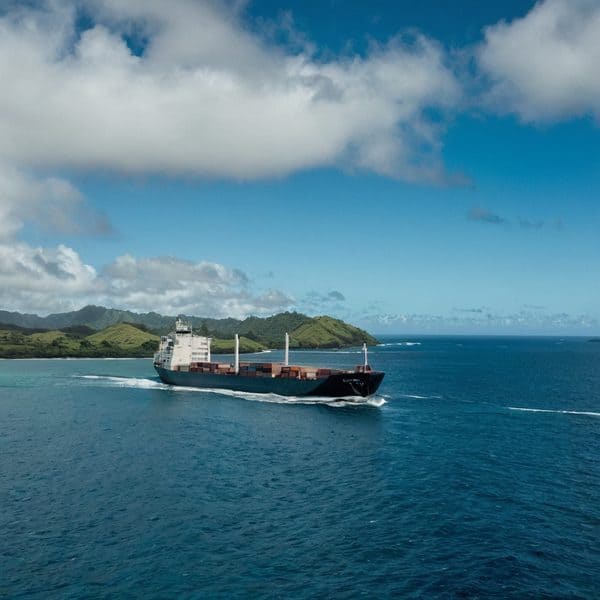
Pacific Island shipping — the lifeline that keeps remote communities supplied and connected — is at a crossroads, with regional experts urging a rapid shift toward wind-assisted vessels as the most practical near-term way to cut fuel costs and climate emissions. Speaking at a regional discussion on low‑carbon maritime transport in Majuro on April 10, Natasha Chan of the Micronesian Centre for Sustainable Transport warned that ageing fleets, rising fuel prices and weak investment are pushing many islanders closer to isolation.
“Shipping is for us as railways, canals and freeways are for developed countries,” Chan said, stressing that delayed or cancelled sailings can translate into empty store shelves, fuel shortages and serious social and economic disruption. Pacific operators face some of the world’s highest maritime connectivity costs, she added, amplified by long distances between small, low‑income ports and a reliance on imported fossil fuels and donated or end‑of‑life vessels.
Experts at the forum told delegates that immediate gains are possible with technologies already proven or demonstrably mature. Chan cited research suggesting fuel savings of at least 40 percent are achievable in Pacific conditions when appropriate low‑carbon technologies are applied correctly, and noted that wind‑assisted propulsion — using sails, rotors or other auxiliary wind systems — produced roughly 30 percent savings in trials during the 1980s. With modern materials and designs, proponents say, those gains could be higher and more reliable on the short routes essential to domestic services.
Yet the pathway is not simply a matter of buying new hardware. Speakers emphasised that international innovations — such as hydrogen fuel programmes in China, France and Norway — are not always suited to the scale, route patterns and capital constraints of Pacific domestic fleets. What is missing, they said, is targeted research and development scaled to Pacific vessel tonnages, alongside climate and development finance instruments tailored to small island needs.
The call for a wind‑powered transition comes amid policy moves across the region intended to raise maritime standards and resilience. Fiji has strengthened its focus on derelict vessels and maritime safety, including pre‑entry shipwreck insurance and a National Transport Sector Master Plan linked to a transport decarbonisation strategy. The International Maritime Organization’s regional presence office in Suva has been positioned to support such reforms. Advocates at the Majuro discussion argued these measures must be coupled with financing to retrofit or replace domestic fleets and with insurance and regulatory reforms that reduce barriers to investment.
Speakers also highlighted systemic obstacles: limited insurance capacity, weak maintenance infrastructure, and under‑resourced maritime workforces that make long‑term reliability and safety concerns for both donors and private operators. Addressing those issues, they said, requires coordinated action from Pacific governments, development partners, insurers and regional institutions to finance pilots, underwrite early risk and build local technical capacity.
If acted on, proponents say, a pragmatic shift toward wind‑assisted propulsion and other mature technologies could sharply lower operating costs for domestic shipping, reduce the region’s vulnerability to fossil fuel price shocks and cut greenhouse gas emissions — all while preserving the vital supply chains that island communities depend on. The latest debate in Majuro frames the change as both urgent and achievable, but contingent on a faster flow of research funding, bespoke financing models and policy reform.
Leave a comment