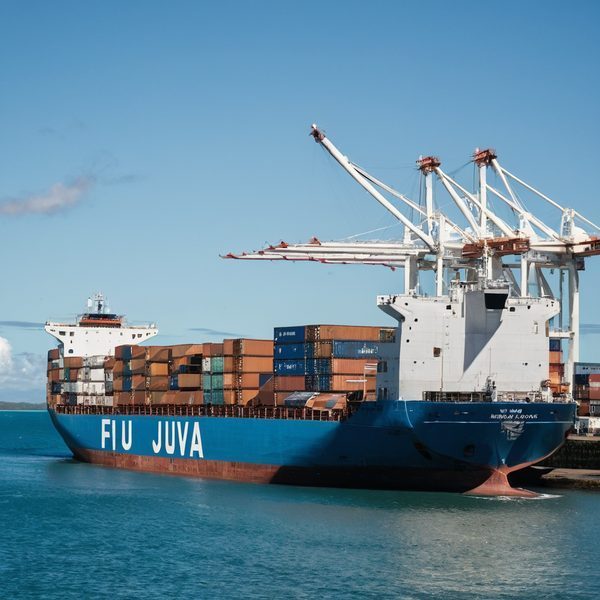
Pacific shipping — the lifeline for remote island communities — is facing a gathering crisis that experts say requires urgent, practical action now, with wind-assisted propulsion emerging as a leading near-term solution. Speaking at a regional discussion on low‑carbon maritime transport, Natasha Chan of the Micronesian Centre for Sustainable Transport warned that Pacific nations remain heavily dependent on imported fossil fuels and ageing vessels, leaving supply chains exposed to rising fuel costs and climate shocks. “Shipping is for us as railways, canals and freeways are for developed countries … It is our absolute lifeline,” Chan said.
Chan and other specialists pointed to research suggesting immediate fuel savings of at least 40 percent are achievable when mature technologies are applied appropriately in the Pacific context. They highlighted wind‑assisted systems — modern sails, rotors and kites that reduce engine use — as a practical option, noting that similar measures delivered roughly 30 percent fuel savings during the 1980s fuel crisis and could perform better with contemporary materials and designs. The call comes as regional policymakers weigh the suitability of high‑tech alternatives such as hydrogen and large clean‑fuel programs, which experts say are often ill‑matched to the small‑scale vessels and long inter-island routes typical across the Pacific.
The push for pragmatic maritime decarbonisation intersects with ongoing policy efforts. Fiji has hosted recent international maritime initiatives, including an IMO regional presence office in Suva last year, and the government has been reviewing insurance and safety standards to curb derelict vessels. The new emphasis from researchers and NGOs on wind‑assisted retrofit options is intended to complement these reforms by offering cost‑effective ways to lower fuel bills and improve service reliability on marginal routes that are not viable under current economics.
The PACNEWS bulletin also flagged multiple fresh developments across the region that amplify the urgency of resilient, low‑cost transport and services. Timor‑Leste President José Ramos‑Horta warned his country is vulnerable to “infiltration by foreign organised crime,” a security concern that could affect regional trade and maritime governance if it spreads. In Fiji, the Climate Change Minister has set out key priorities to accelerate climate action in the Pacific — a policy backdrop that could unlock finance for vessel upgrades and early adoption of wind technologies.
Meanwhile, local crises are unfolding. Gizo Hospital in the Solomon Islands has declared a state of emergency, underlining pressure on provincial health services; in Vanuatu, Prime Minister Ishmael Kalsakau’s successor Napat launched Emua Vila, the country’s first economic micro‑hub to stimulate local commerce; and the University of the South Pacific has doubled student support in response to a global crisis affecting learners. The PNG Health Minister, Kapavore, praised a visiting Chinese medical ship for its services, illustrating the continued role of regional medical outreach.
Other items in the bulletin highlight governance, social and economic stresses that intersect with transport and climate policy. Fiji’s Chief Justice accused retirement rules of being “discriminatory”; a businesswoman in Luganville was jailed in a VT143 million cigarette smuggling case; and warnings were renewed that planned fuel price increases would have a drastic impact on Fijian workers. The digest also noted Weather Ready Pacific’s latest work strengthening early‑warning systems, and a controversy over a politically connected crypto project linked to figures from an alleged scam syndicate pursuing resort developments — all reminders that maritime resilience, affordable fuel and trustworthy governance remain central to Pacific stability.
Taken together, the latest developments underline why advocates are pushing for low‑cost, scalable maritime solutions now: they promise immediate relief from volatile fuel markets, reduce isolation when ships are delayed, and dovetail with regional climate and safety reforms. For many islands, the choice between waiting for distant technological fixes and adopting proven, retrofit‑ready measures like wind assistance may determine whether stores stay stocked and communities stay connected in the short term.
Leave a comment