
BERLIN — The UN’s top climate official warned on Wednesday that rising fossil fuel prices driven by global conflicts are now posing a direct threat to economic stability worldwide, a message with acute resonance for Fiji and other Pacific island states already squeezed by food and fuel shocks.
Speaking at the Petersberg Climate Dialogue in Berlin on April 22, 2026, UN Climate Change Executive Secretary Simon Stiell said recent geopolitical turmoil had “further locked‑in much higher fossil fuel costs for months and likely years to come,” a trend he said was “delivering a gut‑punch to every nation and billions of households.” Stiell warned that the knock‑on economic effects amount to a new era of risk: “Fossil‑fuel driven stagflation is now stalking economies – driving up prices, driving down growth, pushing budgets deeper into quagmires of debt, and stripping away governments’ policy options and autonomy.”
Stiell framed the energy crisis as inseparable from climate action, arguing that a rapid shift away from fossil fuels is as much about security and affordability as it is about emissions reductions. “Clean energy offers security and affordability – returning sovereignty to nations and their peoples,” he said, adding that “the need to accelerate action has never been clearer.” He called for negotiations to move beyond pledges into concrete projects, saying the current era must be one of implementation.
The UN official highlighted the Action Agenda — an initiative he said has been “mobilizing trillions of dollars within the real economy” — and insisted its full deployment in both the global North and South is crucial. He urged far greater flows of finance to developing countries and identified priority areas for investment and action: energy systems, methane reduction, food systems and resilience measures such as early warning systems. “Most notably, the clean energy transition is now irreversible,” Stiell added.
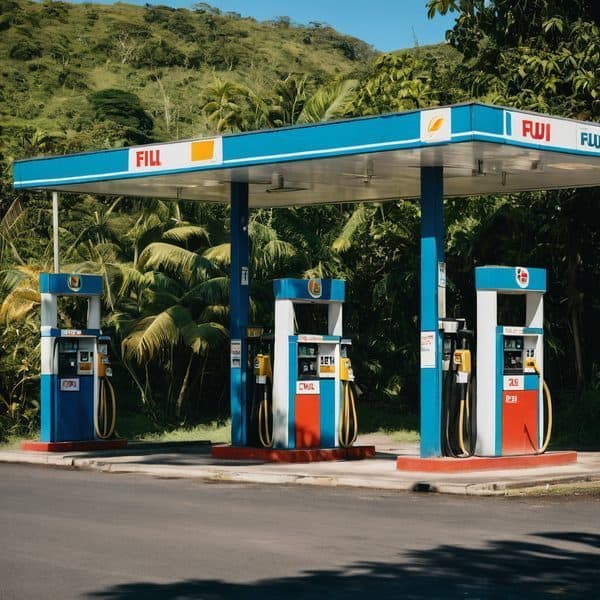
Stiell’s remarks come as Pacific governments face tangible consequences from elevated global fuel prices. Earlier reporting warned of oil price surges since March and highlighted that small island states are confronting hard choices over food and fuel supplies as geopolitical risks push up shipping and fertiliser costs. For economies like Fiji, higher energy bills feed directly into public budgets and household staples, undermining development plans and heightening calls for international financial support to accelerate transitions to renewable energy and strengthen food security.
UN Secretary‑General António Guterres, who has also been urging a rapid shift to renewables, echoed the urgency at the Berlin dialogue, calling for nations to “unleash the renewables revolution.” Stiell tied that call to multilateral review processes under the Paris Agreement, noting that COP28’s first global stocktake delivered landmark commitments and urging measurable progress so the world is on track for the second global stocktake at COP33.
For Pacific leaders who have long pushed for climate justice and equitable funding, Stiell’s intervention re‑frames energy volatility as an immediate national security and economic threat, not only an environmental one. His appeal for increased climate cooperation and investment underscores a growing international narrative: insulating vulnerable countries from fossil‑fuel price shocks requires fast, financed deployment of renewables and resilience projects on the ground.