A new Guam-based security report has renewed criticism of the expanding U.S. military footprint in Palau, saying environmental protections written into the Compact of Free Association have been “rendered ineffective” as infrastructure work accelerates — a finding that comes as Palau’s president makes a historic first state visit to New Zealand. The Micronesia Security Outlook 2025, produced by the Pacific Centre for Island Security, says Palauans have been left out of decisions and that safeguards intended to protect land, water and community rights are not being enforced.
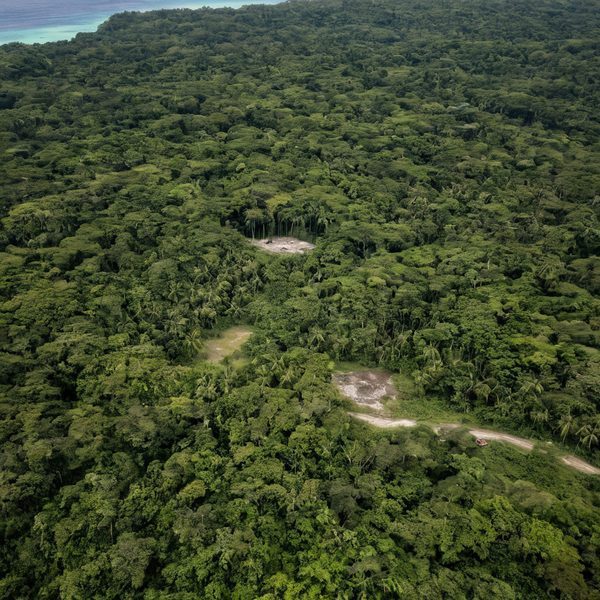
Jodean Remengesau, director of the Bureau of Agriculture in Palau’s Ministry of Agriculture, Fisheries and the Environment and the author of the Palau section of the report, is blunt: “The U.S military had missed and fell short of fulfilling its duties and responsibilities under the compact of the U.S with Palau,” he writes. The report details an instance on the island of Angaur where U.S. forces cleared land for the first site of a tactical mobile over‑the‑horizon radar system without obtaining an environmental earthmoving permit or conducting mandated community consultations under Palauan law.
The report records that 271,807 square metres were disturbed on Angaur and alleges that the clearing was undertaken without an environmental impact assessment or required permits. Remengesau describes how “piles of shredded tree debris inviting invasive coconut rhinoceros beetle infestation” at the radar site were later dumped on residents’ yards in a rushed attempt to manage the problem — an outcome the compact’s environmental clauses were intended to prevent. In 2023, Angaur Governor Steven Salii filed suit against Palau’s central government, the Palau Environmental Quality Protection Board, the U.S. government and its military contractors, alleging violations of Palauan environmental laws and the compact over the land clearing.
The timing of the report amplifies tensions created by Palau’s deeper security relationship with the United States. Under the renegotiated compact, the U.S. committed an US$890‑million assistance package to Palau over 20 years, a cycle that began on October 1, 2023. The agreement also grants the U.S. exclusive use of Palauan land, waters and airspace for defence needs — language the report says increases the likelihood that U.S. forces will make further use of Palau, particularly as a large share of Palau’s national budget derives from compact funds and foreign aid.
The Pacific Centre’s analysis also points to a major U.S. radar project in Palau, valued at about US$118 million, as emblematic of the broader militarisation. That radar system is expected to become operational this year. The report further notes that an installation initially presented as a single shared infrastructure for Palau and U.S. forces later appeared to involve separate, U.S.-controlled components — a shift that raised local concerns about transparency and sovereignty.
Palau’s President Surangel Whipps Jr. was in Wellington this week on what officials described as the country’s first state visit to New Zealand, underscoring Palau’s efforts to balance deepening defence ties with the U.S. alongside strengthened diplomatic relations in the region. The visit highlights the tightrope Palau faces: pursuing security and financial support while responding to domestic unease over environmental impacts and the perception of reduced local control.
The Pacific Centre’s report calls for stricter enforcement of the compact’s environmental provisions, stronger community consultation, and clearer accountability from all parties — Palauan and foreign — involved in defence projects. With the radar due online and legal challenges already filed in Palau, the dispute over environmental compliance and local consultation is likely to remain a central issue as the Pacific’s strategic landscape continues to evolve.
Leave a comment