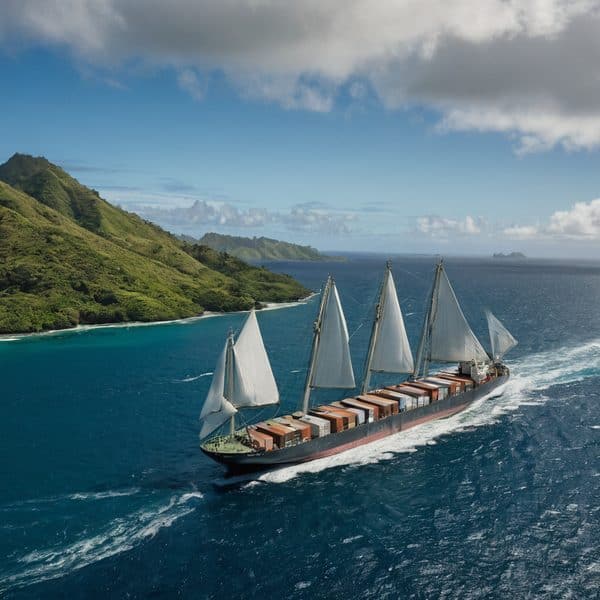
MAJURO — Pacific shipping, the lifeline for remote island communities, is at a crossroads as regional experts push a rapid transition to wind-assisted propulsion and other low‑carbon technologies to blunt the twin threats of rising fuel costs and climate change.
Speaking at a regional discussion on low‑carbon maritime transport on April 10, Micronesian Centre for Sustainable Transport assistant legal researcher Natasha Chan warned that ageing vessels, thin insurance and chronic underinvestment have left domestic shipping services “inadequate and substandard” except on the most profitable routes. “Shipping is for us as railways, canals and freeways are for developed countries,” Chan said. “It is our absolute lifeline.” She described a cycle of dependence on old, donated or end‑of‑life vessels that keeps operators exposed to volatile fuel prices and growing climate risks.
What is new in the debate is mounting evidence — and renewed advocacy from Pacific experts — that practical, mature technologies can deliver major fuel savings now. Chan pointed to recent research showing fuel savings of at least 40 percent are achievable in the Pacific context if appropriate technologies and financing are applied. That is a step up from wind‑assisted systems tested in the region during the 1980s fuel crisis, which recorded roughly 30 percent reductions in fuel use, and it underscores the potential of contemporary sail, rotor and kite systems combined with modern materials and designs.
Global innovation in zero‑carbon shipping is accelerating — hydrogen and large‑scale clean fuel programs have been touted by countries such as China, France and Norway — but Pacific specialists say many of those solutions are ill‑matched to the region’s shallow ports, long inter‑island routes and small vessel types. “It is not a case of simply taking international market leaders and scaling them down,” Chan said, arguing for research and development tailored to Pacific‑scale vessels and supply chains and for climate financing designed to de‑risk investments.
The timing matters. Pacific island states already face some of the highest maritime connectivity costs in the world; delayed ships do more than inconvenience consumers — they can mean empty store shelves, fuel shortages and community isolation. The call for targeted R&D and accelerated deployment of wind‑assisted technology arrives amid other regional moves to shore up maritime resilience, including the International Maritime Organization’s Regional Presence Office established in Suva last year and national reforms aimed at tackling derelict vessels and improving insurance requirements.
Experts at the discussion urged coordinated regional action: pilots of wind‑assisted retrofits, financing packages that pool risk for small operators, and technical assistance to upgrade maintenance and crewing standards. They say such measures could both cut operating costs for domestic shipping lines and reduce greenhouse gas emissions that are already imperilling the Pacific.
If that push succeeds, Pacific nations could secure a low‑cost, low‑carbon route to stabilise lifelines for their most remote communities. If it does not, the region risks further erosion of maritime services and higher bills for consumers and governments already grappling with climate impacts. Policymakers at national and regional levels now face a decision on committing scarce finance and political capital to scale technology solutions that proponents say are already within reach.
Leave a comment