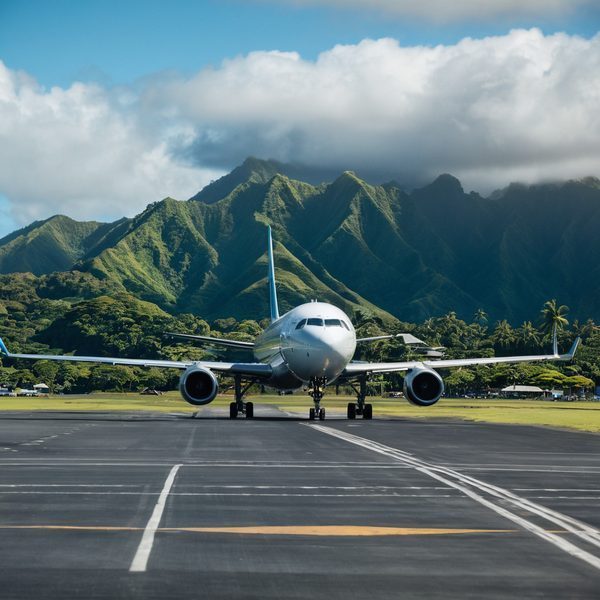
WELLINGTON/SUVA, 16 April 2026 — New Zealand Prime Minister Christopher Luxon said Pacific leaders face no immediate risk of being unable to travel to the Pacific Islands Forum in Palau, but signalled Wellington is prepared to step in with transport if escalating fuel pressures make journeys impossible. His comments, made as regional fuel costs and supply chains remain under strain from the wider Middle East crisis, mark a fresh contingency commitment from a key Forum player.
“At this point we don’t see any risk of that. There is no risk to any fuel disruption for us and that’s a good thing. But August is a long way away,” Luxon told media on Thursday, adding that no leaders had yet requested assistance. New Zealand has previously flown leaders to Forum meetings — notably to Tonga in 2024 and to Honiara in September — and Luxon’s remarks indicate Canberra and Wellington are ready to reprise that logistical role if small Pacific airlines and complex travel routes through hubs such as Guam, Japan and the Philippines are overwhelmed by higher fuel costs.
Palau’s President Surangel Whipps Jr, who visited New Zealand last week, downplayed the immediate risk to Forum attendance and welcomed the international offers of help. “I don’t think that [the fuel crisis] should affect [leaders] coming to PIF but we’re very grateful to New Zealand, Australia and the United States who are willing to go around and pick up leaders and bring them to PIF,” Whipps told Pacific Mornings. New Zealand Foreign Minister Winston Peters framed the situation as part of a broader strategic test for the region: “The region faces a very challenging global strategic environment, and in this context, Pacific countries best advance our shared interests when we work together, showing strength through unity,” he said in a government release.
The readiness to assist comes against fresh evidence the region is being affected by global supply disruptions. UN and regional analysts have linked higher fuel prices and shipping disruptions to conflict in the Middle East, warning in recent weeks of cascading impacts on Pacific economies that import nearly all their fuel. That pressure underlines why transport contingencies for high-profile diplomacy such as the Forum are now being publicly discussed by leaders and partners.
The same bulletin from Pacific newsrooms outlined other evolving regional responses. Asia‑Pacific countries are convening in Jakarta to discuss security concerns related to nuclear weapons—a separate but related diplomatic track that reflects heightened strategic anxieties in the region. Meanwhile Tonga launched a new five‑year multi‑hazard strategy for risk communication and community engagement, a move aimed at strengthening disaster preparedness and public information in the face of climate and other hazards.
Environmental risks remained on the agenda as well: a new study circulated in the Pacific media cycle has identified the Hawaiian monk seal as the marine mammal most at risk of extinction from plastic pollution, highlighting how global supply and waste streams create local conservation crises across the Pacific islands.
What is new in this phase of the story is not a confirmed disruption but the formalisation of contingency planning by partners and the public reassurance from Palau that it expects leaders to attend. With the Forum months away and fuel markets still volatile, the willingness of New Zealand, Australia and the United States to provide transport underscores an emerging priority for partners: keeping the region’s top-level diplomacy functioning even if supply-chain shocks intensify. Governments will continue to monitor oil markets and travel connections as the August meeting approaches.
Leave a comment