
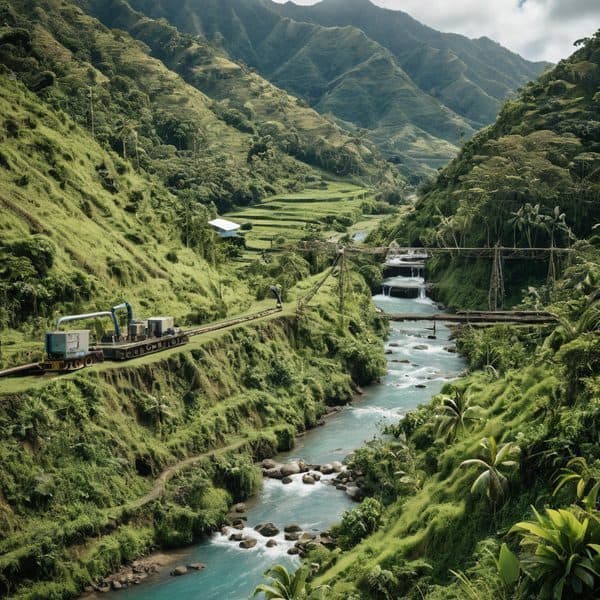
Energy Fiji Limited (EFL) and HydroFiji have signed a Power Purchase Agreement (PPA) for a proposed $150 million Namosi hydroelectric project that will deliver a combined 32MW of run-of-river capacity and generate about 120GWh of electricity a year — all of which EFL has agreed to buy. The PPA, inked at the Grand Pacific Hotel in Suva, formalises HydroFiji’s Fiji-based vehicle Hydro VL as the financier, developer, owner and operator of the new hydropower facilities while EFL secures the power off-take.
EFL currently obtains roughly half its generation from hydropower, and company directors say Namosi Hydro will raise that share by about 10 percentage points when it comes online. Board director Gardiner Whiteside described the single project as “a meaningful portion” of Viti Levu’s needs, estimating the scheme will supply around eight to 10 per cent of the island’s electricity demand. “With the addition of Namosi Hydro, we will take another major step toward reducing our reliance on imported fossil fuel — fuel that is subject to global price volatility and external shocks beyond our control,” he said.
HydroFiji executive chairman Dr Philip van der Riet said the project would displace a significant volume of diesel or heavy fuel oil generation, projecting a reduction in fossil fuel use of at least 30 million litres annually. He also reiterated the company’s view that Namosi Hydro will bolster Fiji’s energy resilience and protect the country against future oil-price shocks.
Under the PPA’s independent power producer model, Hydro VL assumes development and operational risk while EFL secures long-term renewable supply. That arrangement is intended to accelerate infrastructure delivery without requiring EFL to carry upfront capital costs, a structure increasingly used as Fiji pursues a faster shift to renewables.
Before construction can begin, Hydro VL must re-establish an environmental impact assessment (EIA) and re-engage with landowners to restore the lease in their name, Dr van der Riet said. He estimated that EIA re-establishment and landowner engagement would take roughly three to six months, with other permits and approvals being secured in parallel. Subject to regulatory clearances, construction is expected to start within six to 12 months and the project is targeting commercial operations by mid-2029.
The Namosi agreement is the latest concrete step in EFL’s broader renewable push. Prior reporting has outlined EFL’s plans for major investments in hydropower, solar, battery storage and transmission upgrades to blunt the impact of global fuel-price swings. Analysts and officials have framed projects such as Namosi as central to reducing import bills, stabilising electricity costs and meeting national climate commitments.
While proponents highlight the project’s fuel-savings and contribution to energy security, the timeline and the need to complete the EIA and secure landowner leases mean the scheme still faces regulatory and community processes before construction. If achieved on schedule, however, Namosi Hydro would be one of the larger new renewable additions on Viti Levu and a notable contributor to Fiji’s decarbonisation strategy.