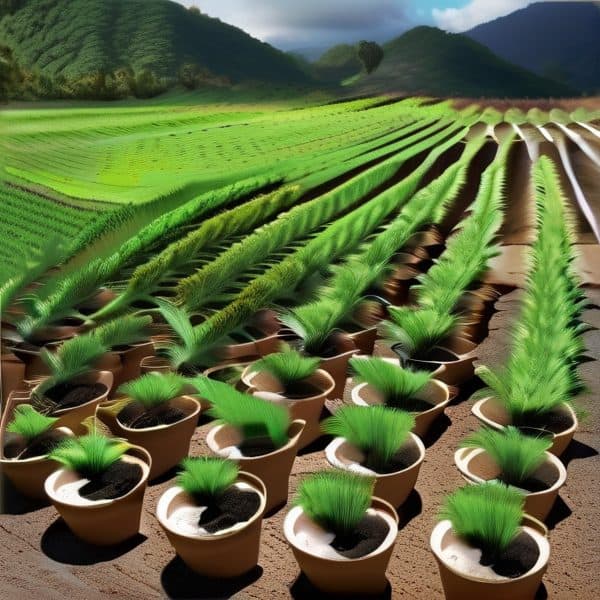
A $2.5 million injection into Kadavu’s pine industry and the opening of a 100,000-capacity pine nursery in Vunisea were announced on International Day of Forests as part of a government push to make Fiji’s forests a stronger engine of rural development and climate resilience.
Minister for Fisheries and Forestry Alitia Bainivalu unveiled the funding during celebrations in Vunisea, saying the investment will underwrite reforestation efforts and provide a steady supply of seedlings for both previously logged sites and new planting areas across Kadavu. The nursery, capable of producing 100,000 seedlings, is intended to bolster local restoration work and reduce gaps in seedling availability that have slowed replanting after harvesting operations.
Bainivalu framed the announcement as a change in how forests are valued by policymakers. “Forests are not just trees. They are income, food, medicine, shelter, culture and climate security,” she said, underlining that the ministry wants forestry to deliver jobs and income as well as environmental benefits. The $2.5 million package is designed to support sustainable harvesting practices, replanting programs and measures to strengthen the forestry value chain so landowners can capture better returns from their timber resources.
The minister said her recent tour of Kadavu showed communities were already taking the lead on local development, pointing to a range of infrastructure and social projects underway. She cited new jetties, a forest road that has improved access to schools, housing support and livelihood assistance as signs that Kadavu’s communities are actively shaping their development trajectory. “Kadavu is not waiting for development; Kadavu is driving it,” Bainivalu said.
Officials emphasised that the investment goes beyond planting trees: it seeks to build a climate-smart, community-driven forestry sector that supports economic empowerment for future generations. Strengthening the forestry value chain — from sustainable harvesting through to processing and market access — was highlighted as a priority to increase returns for customary landowners, who often receive only a fraction of the value from wood products.
The nursery in Vunisea marks the latest tangible step in the government’s broader forestry agenda, which officials say must balance commercial opportunity with conservation and community needs. While the ministry’s announcement outlined the funding’s purpose, further details on how the $2.5 million will be allocated across nursery operations, replanting contracts, value-chain initiatives or community programs were not released at the event.
Local leaders and landowners will be watching how the funding is translated into on-the-ground support, particularly whether seedling supply is reliably matched with planting programs and whether measures to improve processing and marketing can materially raise incomes. For Kadavu, where access and infrastructure have historically constrained economic opportunities, the ministry argues that a stronger, sustainably managed pine sector could provide steady jobs and financing for local priorities while contributing to the island’s climate resilience.
Leave a comment