economic development
-

Samoa-based head to drive PACER Plus implementation unit for five-year term
A high-level leadership opportunity has opened to steer the next phase of the Pacific’s flagship trade accord from Samoa. The Head of the PACER Plus Implementation Unit will turn broad trade and development goals into concrete programmes over a fixed five-year term, coordinating with partners across the region. The role blends strategic direction with hands-on…
-

France Senate delegation kicks off economic development mission in New Caledonia
A cross‑party French delegation lands in Nouméa for a week focused on economic development and regional integration in New Caledonia. The talks aim to map practical steps for jobs, investment and closer ties with Oceania markets—a pivot from politics to tomorrow’s opportunities.
-

Shasnil Chand Wins USP Outstanding Thesis Award for Remittance Macroeconomics Across Developing Economies
Shasnil Chand, a Fiji-based economist, has won a prestigious thesis award for a groundbreaking study on remittance inflows and their macroeconomic impact across more than 50 developing and emerging economies. The research finds meaningful development gains when remittance costs are low, but also inflationary and exchange-rate trade-offs that policymakers must manage—with fresh implications for Fiji…
-

Pacific 2050 Strategy Progress: Gains in Regional Cooperation, but Funding and Capacity Shortfalls Slow Action
Progress on the Pacific Leaders’ 2050 Strategy shows stronger regional cooperation and growing technical support across sectors. Yet capacity constraints and funding gaps are stalling delivery, risking momentum on climate resilience, ocean management and development. The report calls for sharper monitoring and long-term, predictable funding to translate commitments into real community outcomes.
-

Pacific Islands Forum 2050 Strategy Moves Into Action Amid Funding and Capacity Gaps
A regional progress report shows the 2050 strategy for a Blue Pacific Continent moving from planning into action, with priorities turning into concrete programmes across climate, oceans, and development. But uneven progress, funding gaps, and limited national capacity risk slowing momentum, underscoring the need for aligned national plans, stronger monitoring, and durable partnerships. As climate…
-

Pacific 2050 Strategy Progress: New SPC Science Chief Strengthens Regional Technical Backbone Amid Funding Gaps
Leadership shifts and bold policy choices are testing whether the Pacific can turn big ambitions into real benefits for communities. With science capacity, seabed mining debates, and security concerns in play, the region stands at a critical crossroads.
-

Pacific Islands Forum Advances 2050 Blue Pacific Strategy, but Funding and Implementation Gaps Persist
Progress toward the Blue Pacific 2050 vision is advancing, with stronger regional cooperation and real steps in climate resilience, ocean management, and social wellbeing. But turning policy into everyday benefits remains uneven, held back by funding gaps and the challenge of aligning national plans with regional priorities. The latest snapshot urges predictable funding, sharper monitoring,…
-

Pacific Islands Forum: Progress on 2050 Strategy, but Financing and Capacity Gaps Slow Real-World Results
A new regional assessment shows momentum behind the Blue Pacific’s 2050 plan, but significant hurdles remain. Funding gaps and capacity constraints could slow the shift from policy to real benefits for Pacific communities.
-
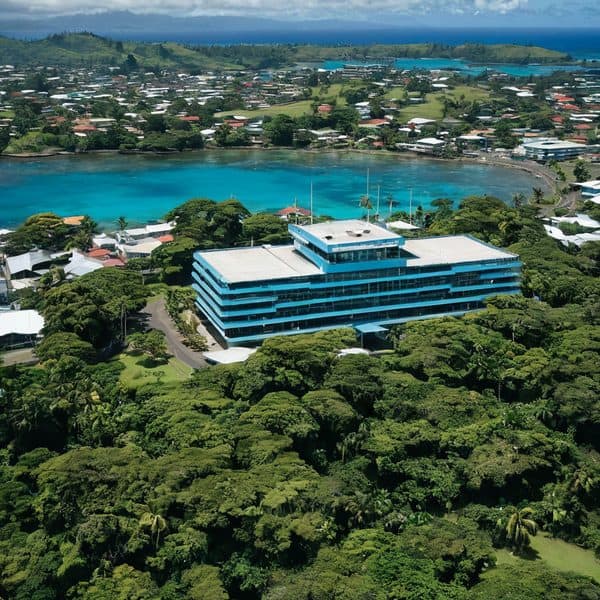
Pacific Islands Forum makes headway on 2050 Strategy, but funding gaps and capacity limits slow local impact
Regional efforts to turn the 2050 Blue Pacific Continent plan into tangible community benefits are gaining momentum, with stronger collaboration shaping delivery pathways. Yet persistent capacity gaps and funding shortfalls threaten to slow the move from policy to real-world outcomes.
-

Pacific Islands Forum 2050 Strategy makes progress, but funding gaps and capacity limits threaten regional action
A sweeping review of regional action in the Pacific finds real progress since 2023, but warns that limited capacity and funding gaps could slow momentum toward a shared vision. With national plans unevenly aligned to regional ambitions and climate pressures intensifying, the shift from policy to real-world impact remains a critical challenge.