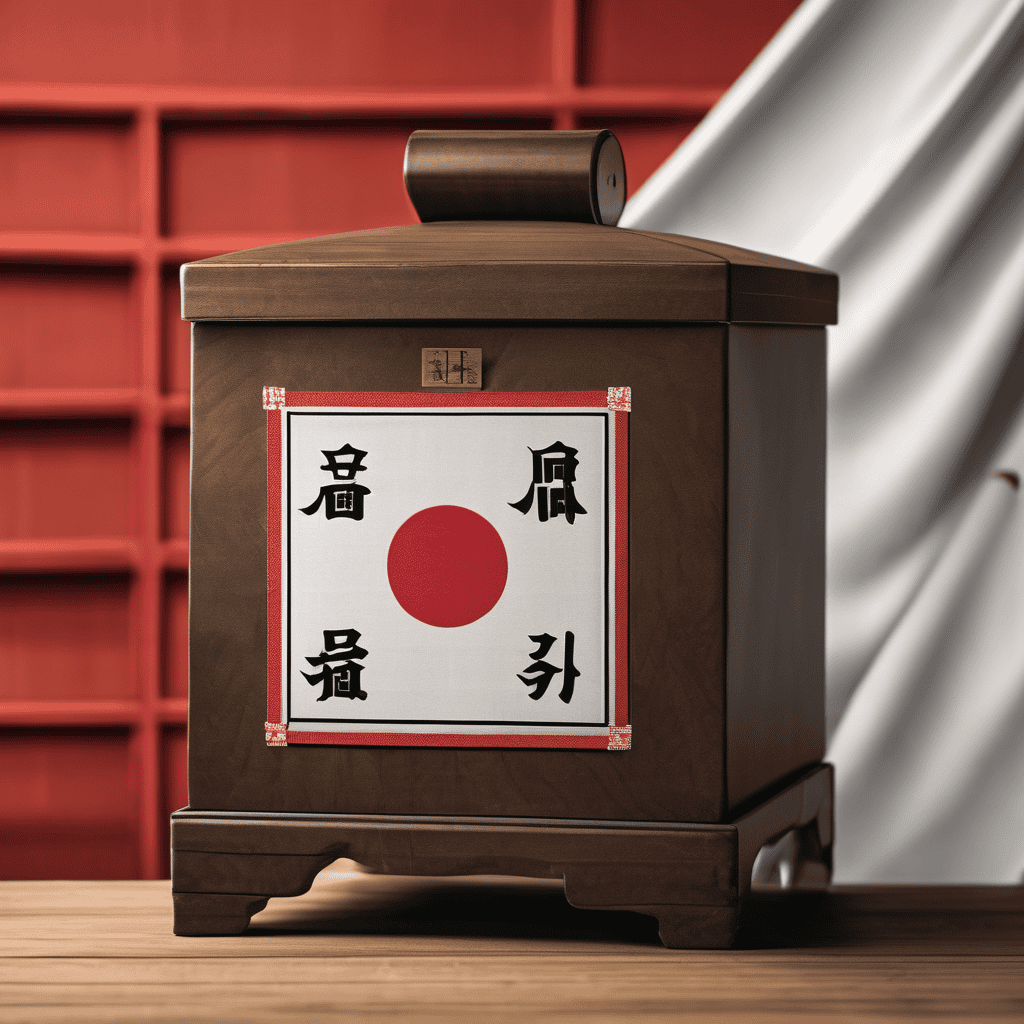
A decisive victory for Prime Minister Sanae Takaichi has empowered her ruling coalition to take control of three-quarters of Japan’s lower house, known as the Shūgiin. The election, held last weekend, marks a significant triumph for the country’s first female leader, granting her substantial authority to reform Japan’s security and defense policies.
Takaichi’s Liberal Democratic Party (LDP) secured 316 of the 465 available seats, achieving its largest majority since 1955. The LDP’s coalition partner, the Japan Innovation Party, contributed an additional 36 seats, culminating in a commanding 75 percent majority in the House of Representatives. Takaichi portrayed this overwhelming win as a strong mandate for her administration, highlighting the election’s focus on significant policy transformations in economic and fiscal areas, as well as security enhancements.
Already, Takaichi has adopted a more assertive stance towards China than her predecessors, particularly concerning Taiwan. Shortly after her election, she warned parliament that any Chinese military action could pose a existential threat to Japan, establishing a legal precedent for military response under current law. This shift in policy has prompted Beijing to issue travel warnings against Japan, leading to a sharp decline in anticipated Chinese tourists, with up to 500,000 cancellations reported.
In her plans, Takaichi aims to double Japan’s defense spending to 2 percent of its GDP, a move that, with her newfound supermajority, could facilitate amendments to Article 9, which restricts Japan’s military capabilities. Analysts suggest that this overwhelming lower house majority may present challenges for the upper house in obstructing her legislative agenda.
Japan, while not a member of the Pacific Islands Forum, has been a proactive dialogue partner in the region, offering aid, trade, and security support. Pacific leaders, such as Solomon Islands Prime Minister Jeremiah Manele, have expressed the importance of collective unity and collaboration among Pacific nations as they observe Japan’s evolving security role under Takaichi.
In addition to her ambitious defense strategies, Takaichi plans to establish a national intelligence agency, alleviate restrictions on defense exports, and reaffirm Japan’s commitment to a nuclear-free status, indicating a comprehensive shift in the nation’s security framework. Communications advisor Jake Thrupp highlights Japan’s maneuvers to align military capabilities with structural reforms, positioning the country as a pivotal force in regional stabilization.
Fiji’s Prime Minister, Sitiveni Rabuka, has articulated a vision for an “Ocean of Peace,” advocating for cooperation and stability while managing regional strategic competition.
While the Japanese election primarily addressed domestic challenges such as rising living costs, Takaichi has not wavered in emphasizing her security objectives. Her supermajority could herald a more proactive Japan in addressing security concerns in the Indo-Pacific, enhancing defense collaboration, and shouldering shared responsibilities in regional deterrence efforts. This shift presents both new opportunities for cooperation and inherent risks that experts are closely analyzing.
Leave a comment