
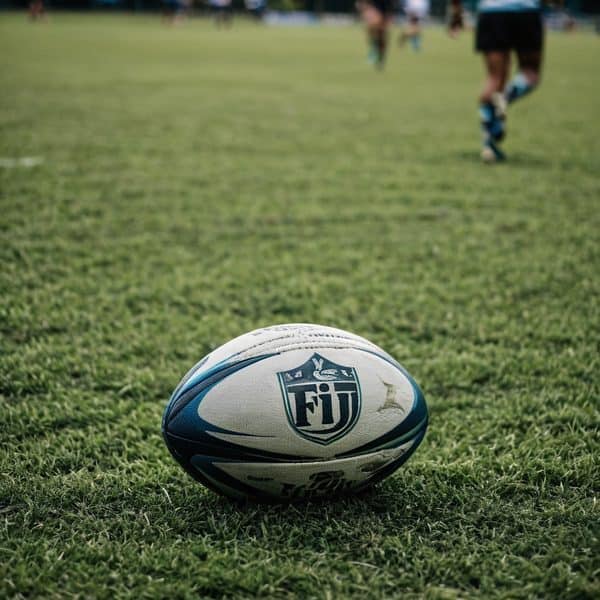
The Fiji Rugby Union has launched a targeted plan to fast-track local coaches into specialist and senior roles within the national setup, the union’s chief executive said following its annual general meeting at the Novotel Convention Centre last week. The initiative is being sold as a deliberate effort to build coaching depth in the 15s programme, where Fiji lags behind top-tier nations despite continued success in sevens.
“There’s already a plan in place. We’ve made some changes, but we understand that we need to build capacity and capability for our local coaches,” Koli Sewabu told attendees, outlining a move away from one-size-fits-all appointments toward defined specialist positions. Sewabu singled out scrummaging, lineout and maul work, defence and kicking as priority areas that require dedicated expertise if the Flying Fijians are to close the gap with better-resourced teams.
Under the new approach the FRU will set selection criteria for coaches and create named specialist roles — scrum coach, lineout and maul coach, defence coach among them — within its high-performance structure. The union has already taken practical steps, hosting a high-performance coaching development programme in Nadi that identified a cohort of local coaches to be brought into the system and groomed for those specialist duties.
Sewabu said the pathway will combine domestic development with international exposure: local coaches will work alongside visiting experts and could be attached to overseas teams through future partnerships, giving them hands-on experience in elite environments. The FRU believes that such placements will accelerate technical learning and professional growth, while also providing familiarity with modern coaching methodologies and match-day responsibilities.
The timing of the plan reflects broader ambitions across Fijian sport to promote homegrown leadership. Sewabu pointed to the recent inclusion of Olympic gold medallist Jerry Tuwai in the national sevens setup as an example of how playing experience can transition into coaching credentials. “Jerry has been actively building his coaching credentials,” Sewabu said, framing that pathway as one model for the kind of player-to-coach conversion the FRU wants to systematise.
The FRU has set a medium-term target: it hopes to see local coaches heading national programmes within five to six years. If the pathway takes hold, it would mark a significant shift in how Fiji sources technical expertise for its national teams, potentially reducing reliance on expatriate appointments and embedding sustained coaching knowledge within the domestic system. The move also dovetails with the union’s immediate priorities on the field as it prepares to strengthen its 15s structures following recent international fixtures.