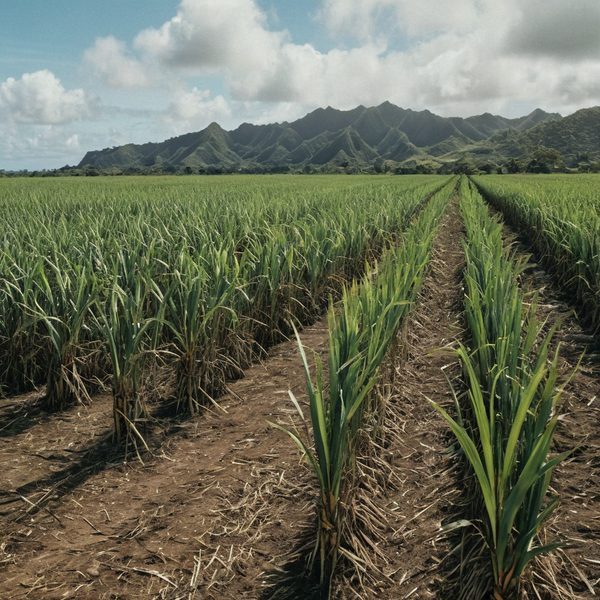
Members of the Fiji Kisan Sangh say they are at breaking point, warning they will halt planting and could sit out next year’s crushing season unless sugar industry stakeholders respond to longstanding grievances over delayed payments and rising costs. The growers’ organisation, made up entirely of cane farmers from the Western Division, made the threat at its annual general meeting in Lautoka yesterday.
Board member Mahen Prasad told the meeting most members were unwilling to commit to planting new cane after the 2026 harvesting season if the pattern of late payments continued. “The growers are not interested in planting new cane if the delay keeps happening,” Prasad said. “For a very long time then we had a delay in a cane payment and because we are still waiting, growers are getting more frustrated. They don’t want to plant new cane.”
Prasad said delegates had agreed to save on input costs by collectively foregoing participation in the 2027 crushing season unless they received firm guarantees that payments would be made on time in future. “If we don’t plant, then we don’t have to deal with the costs,” he said. “Many of the growers have children working outside of the farm or they grow vegetables. They can depend on that. The costs keep increasing and we don’t get paid enough and on time. So, we don’t want to plant anymore until we receive a guarantee that this will not happen again.”
The Kisan Sangh’s warning arrives against a backdrop of repeated disruptions and relief efforts in the past 18 months. Government and industry bodies have provided episodic support following events such as pre-season burnt cane and the Rarawai mill fire, which forced cane redirection and prompted temporary compensation arrangements and relief packages. Authorities have also grappled with longer-term production challenges including salinity on potential planting land and compressed harvesting timelines that have strained growers’ ability to meet mill schedules.
Despite those interventions — most recently targeted assistance and compensation announced in 2025 — farmers say the structural problems persist: input costs continue to climb while receipts for cane deliveries are often delayed. For smallholders operating on thin margins, even short payment lags can push families to seek alternative income, Prasad said, citing examples of households relying on remittances from children working off-farm or supplementing incomes through vegetable plots rather than reinvesting in cane.
Industry stakeholders including the Ministry of Sugar, the Sugar Cane Growers Fund and mill operators are now confronting a choice with implications for the 2027 season. If large numbers of growers follow through on the Kisan Sangh’s position and do not plant or deliver cane, mills could face shortages that undermine crushing schedules and the sector’s recovery plans. The Ministry has previously intervened in crises — Sugar Industry Minister Charan Jeath Singh and the ministry’s permanent secretary have been active in relief rollouts — but Kisan Sangh leaders say a clear, enforceable commitment on timely payments and support for input costs is needed to restore confidence.
The Kisan Sangh is calling for an immediate response from those stakeholders and a written guarantee that payment processes will be fixed before growers commit to planting for 2027. Without that assurance, the organisation says the industry risks a significant loss of planted area next year and further erosion of Fiji’s sugarcane growing base in the Western Division.
Leave a comment