In East New Britain’s coastal communities, a youth-led group is turning the tide for a fragile marine world. The East New Britain Sea Keepers, rooted in Raluana Village, are organizing communities to restore reefs, safeguard nesting beaches, and build a future where both people and biodiversity can thrive.
The region’s sea-based livelihoods are under pressure from growing populations, unsustainable harvesting, and the degradation of coral reefs used to make lime for betel nut chewing. In response, ENB Sea Keepers are pursuing a concrete, community-driven agenda: restoring coral habitats, protecting nesting sites, and teaching future guardians how to care for the oceans today.
Key efforts led by ENB Sea Keepers
– Turtle protection: Endangered turtle species frequent East New Britain’s beaches for nesting, including leatherback, green, hawksbill, and Olive ridley turtles. The group works with communities to monitor nesting sites, clean beaches, and discourage harvesting of eggs and shells, while encouraging safeguarding practices at nesting beaches.
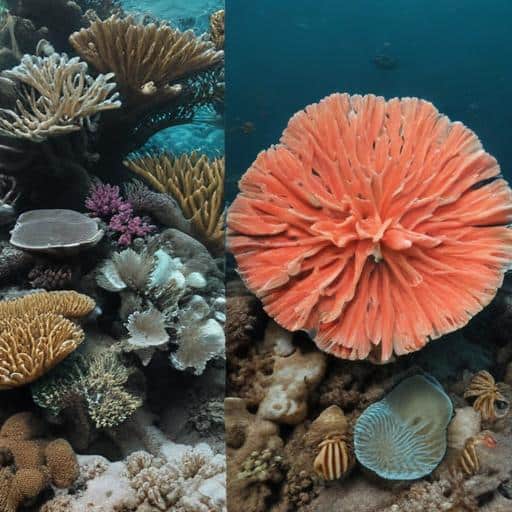
– Coral and reef restoration: Two pilot coral nurseries have been established, planting more than 1,000 coral fragments with an observed 30 percent survival rate. The team is also developing a climate-adaptive coral nursery gene bank to bolster reef resilience for the future.
– Local stewardship model: The group supported the declaration of a locally managed marine area (LMMA), a governance approach that gives communities greater ownership and responsibility for marine resources and sustainable use.
– Broader marine life protection: In addition to turtles and corals, the Sea Keepers monitor and educate about dugongs, dolphins, and rays, blending field work with research and local outreach to embed guardianship within communities.
Education, empowerment, and livelihoods
Education sits at the heart of their mission. Outreach has reached more than 3,000 students and 81 teachers across eight coastal schools, with awareness programs extending to five villages and beyond to over 1,000 schools and coastal communities across East New Britain. Their approach includes engaging out-of-school youth, giving them leadership roles and a path into conservation work.
Academia and community impact go hand in hand. The program has produced 36 undergraduate volunteers from the Papua New Guinea University of Natural Resources and Environment who have graduated with practical conservation experience. Community responses have been overwhelmingly positive, with locals welcoming the Sea Keepers and inviting continued collaboration to protect their marine heritage.
Tourism and sustainable livelihoods
East New Britain is not only biologically rich but also a growing tourist destination. The Sea Keepers’ work integrates restoration with sustainable livelihoods, promoting eco-tourism and alternative income streams as a way to demonstrate that protecting the ocean also secures communities’ economic futures.
Looking outward: a regional context of community-led conservation
Across the Pacific, similar community-led conservation models are gaining traction. In Fiji, villages like Nabouono have shifted away from traditional turtle harvesting toward sustainable livelihoods such as cattle farming and beekeeping, supported by partnerships with NGOs and government programs. These efforts, and broader initiatives to protect coral reefs and promote responsible tourism, illustrate how local leadership can align cultural heritage with biodiversity protection. Other regional programs emphasize LMMA frameworks, reef assessments, and collaborations between communities, researchers, and conservation organizations to safeguard marine ecosystems while strengthening livelihoods.
A hopeful path forward
The ENB Sea Keepers’ approach—youth-led action, community ownership, coral restoration, and integrated education—offers a practical blueprint for resilience. By pairing environmental stewardship with sustainable economic opportunities, East New Britain is setting a path toward healthier reefs, thriving coastal communities, and a future where the ocean remains a bedrock of culture and survival for generations to come. With young people at the helm and communities stepping up, the region’s marine story is one of renewal and possibility.
Leave a comment