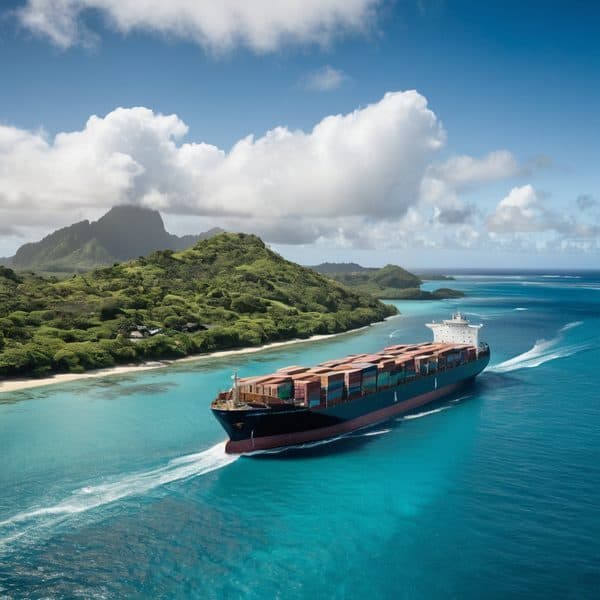
MAJURO, 10 April 2026 — Pacific shipping, long described as the region’s lifeline, is facing a fresh crisis as experts urge an urgent shift to wind-assisted propulsion and other low-carbon technologies to protect island economies from rising fuel costs and ageing fleets. Speaking at a regional discussion on low‑carbon maritime transport in Majuro, Natasha Chan of the Micronesian Centre for Sustainable Transport said existing technologies could deliver fuel savings of at least 40 percent if properly deployed across Pacific services.
“Shipping is for us as railways, canals and freeways are for developed countries,” Chan said, underlining how delays and capacity gaps translate directly into empty store shelves, fuel shortages and isolation for remote communities. She warned that heavy dependence on imported fossil fuels, long inter-island distances and decades of underinvestment have left domestic fleets vulnerable to price shocks and climate impacts. Historical trials in the 1980s demonstrated wind‑assisted systems could cut fuel use by around 30 percent; Chan said modern materials and designs could now boost that performance and are among the most practical near‑term options for the Pacific.
The Majuro discussion highlighted a gap between global innovation — such as hydrogen and alternative‑fuel trials by larger shipbuilding nations — and technologies suited to small, low‑capacity Pacific vessels. Chan urged investment in region‑scaled research and climate financing modalities tailored to short‑haul, mixed‑cargo coastal fleets, rather than simply downscaling international market leaders. The call comes as Pacific policymakers have already begun tightening maritime governance: regional engagement with the IMO and national measures addressing derelict vessels and insurance requirements have raised expectations that regulatory reforms can accompany technical upgrades.
The Pacnews bulletin also carried other fresh developments across the region. In Timor‑Leste, President José Ramos‑Horta warned the country is vulnerable to “infiltration by foreign organised crime,” flagging growing concerns about transnational illicit networks in the Indo‑Pacific. In Fiji, the Chief Justice publicly labelled retirement rules “discriminatory,” adding pressure to debate reforms within the judiciary and public service.
Economic and law‑and‑order items from the bulletin included the sentencing of a Luganville businesswoman in a VT143 million cigarette smuggling case, and Vanuatu Prime Minister Napat’s launch of Emua Vila, the country’s first economic micro‑hub intended to boost local trade and services. Back home in Fiji, a figure identified only as Anthony warned that proposed fuel price increases would have a drastic impact on workers, underscoring the domestic social risks tied to volatile global energy prices.
Taken together, the announcements underline a convergence of challenges: rising fuel costs, governance pressures and cross‑border crime risks coincide with an urgent need to decarbonise and modernise the region’s maritime lifelines. Experts at the Majuro forum framed wind‑assisted propulsion and other mature technologies as immediately deployable tools — but stressed that unlocking the estimated 40 percent savings will require coordinated financing, tailored R&D and stronger regional policy frameworks to ensure vulnerable island services are not left behind.
Leave a comment