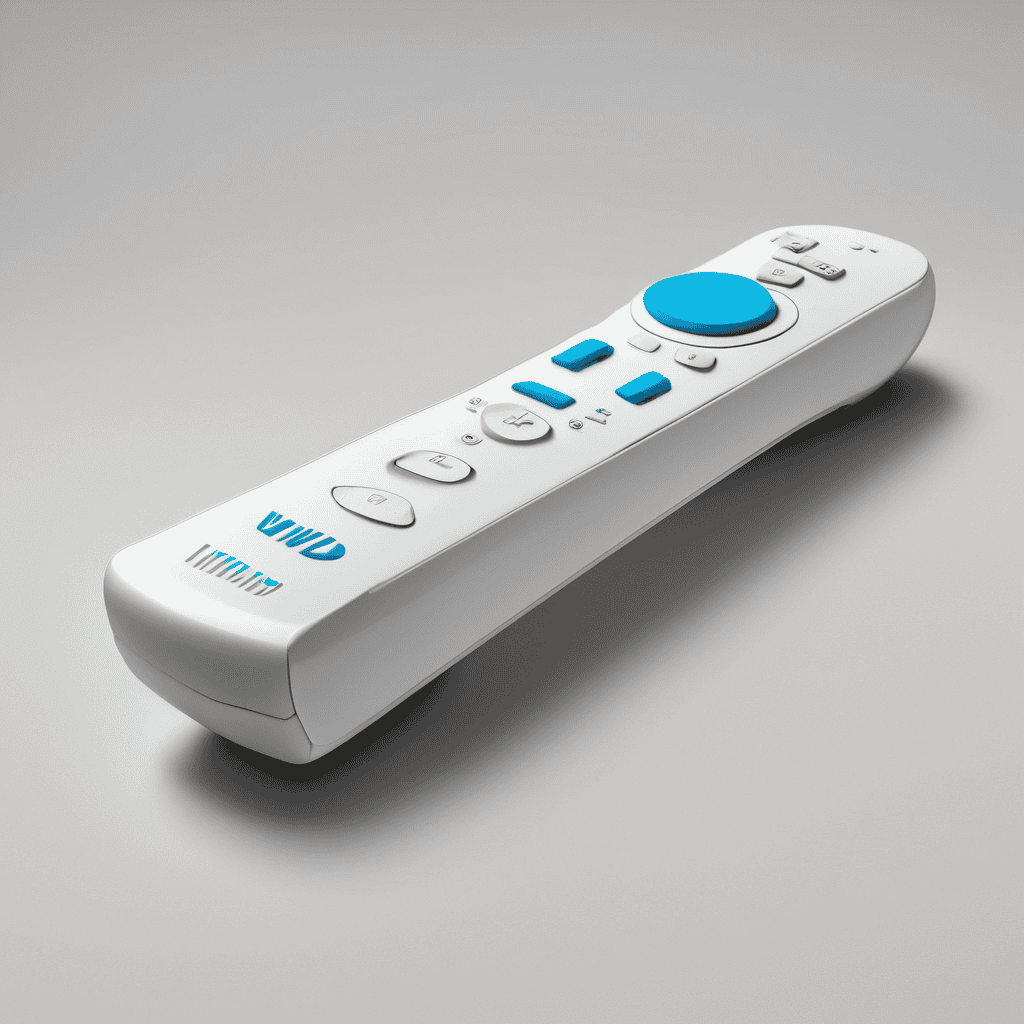
On this day in 2006, Nintendo launched the Wii, a groundbreaking gaming console that redefined how people engage with video games. The Wii featured a unique television remote-style controller capable of tracking hand motion in real time, encouraging players to get up and move with games that simulated activities like tennis and bowling. This innovative approach made gaming accessible to a broader audience, allowing anyone to participate regardless of their gaming experience.
Competing with the Sony PlayStation 3 and Microsoft Xbox 360, the Wii may not have boasted cutting-edge graphics, but its cultural significance was profound. The console sold an impressive 101 million units over its lifetime, emphasizing its widespread appeal.
According to Mitchell McEwan, course director for game design and development at Macquarie University, Nintendo aimed to attract a new demographic, targeting families and individuals who had never considered gaming before. “The Wii was really designed from the bottom up to be accessible, and they made the main controller, the Wii remote, resemble a remote control—something that people would have interacted with their TVs,” McEwan stated.
This innovative Kinect-like motion-sensing functionality enabled users to physically move while playing, ushering in a new era of interactive gaming that would influence future game design. The positive impact of the Wii continues to resonate in the gaming world, marking its place as a transformative device that brought families together and promoted a more active gaming lifestyle.
Leave a comment