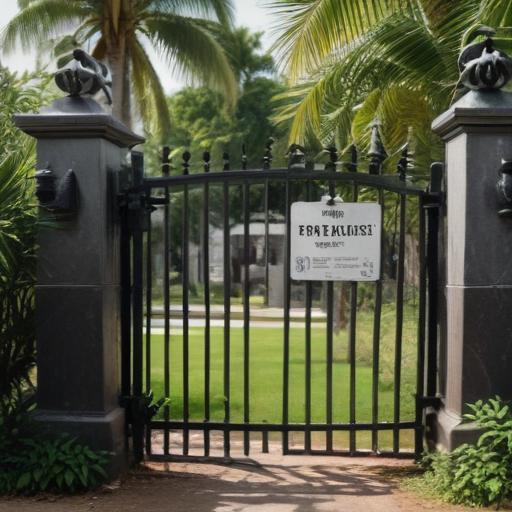
The Fiji Corrections Service is asking for public understanding and cooperation as general cleaning and maintenance continue across all cemeteries under its care. The effort is intended to keep burial grounds safe, secure, and dignified after officials found some grave plots were being misused as drop‑off points for prohibited items. Cloth, tapa, and makeshift shelters have reportedly been placed to mark locations for later collection by inmates engaged in labour programs.
Only items approved under the standard grave plan issued by the Cemetery Office are permitted on grave plots, and unauthorized materials will be removed during the clean‑up. While acknowledging mixed reactions from families, the service says the exercise is necessary to preserve the integrity of these sacred spaces and to deter illicit activity. “We sincerely thank the public for their support, respect, and cooperation in maintaining a safe and dignified environment for all,” the statement read.
Officials note that unapproved structures and decorations can obstruct routine maintenance, create concealment for contraband, and provide signals for smuggling. Clearing excess items improves sightlines for staff during mowing and cleaning, reduces opportunities for illicit exchanges, and supports the integrity of inmate work programs that help maintain the grounds.
The current enforcement aligns with wider steps taken in recent years to manage burial sites more effectively amid space constraints and limited resources. These include standardizing headstone designs and discontinuing oversized structures to preserve space and promote fairness among families. The service has previously expressed regret when memorial items have had to be removed, emphasizing respect for cultural practices while balancing safety and upkeep.
In the broader context, the FCS has repeatedly called for a modernized legal framework, including a review of the Burial and Cremation Act 1911, to better define responsibilities and provide the resources and authority needed to protect public cemeteries from vandalism, crowding, and smuggling risks. The agency has also tightened controls in other areas of its operations to curb contraband, such as enhanced oversight during prison visitations.
Why this matters
– Using grave sites as contraband drop points exploits public grief and undermines public safety.
– Enforcing the official grave plan helps staff maintain clear, respectful grounds and reduces opportunities for smuggling.
– Consistent standards can preserve limited cemetery space and ensure more equitable access for families.
How the public can help
– Follow the approved grave plan and avoid placing cloth, shelters, or other unapproved items on graves.
– Consult cemetery staff before installing any memorial items to ensure they meet standards.
– Report any suspicious activity or unusual markers in cemetery areas to FCS or local authorities.
Logical comment
The combination of standardized grave plans and regular clean‑ups is a practical deterrent to contraband activity: when unauthorized markers are removed and sightlines are kept clear, it becomes harder to signal or conceal illicit drop‑offs. This also improves safety for staff and visitors and helps ensure inmate labour programs function as intended.
Positive outlook
With steady enforcement and community cooperation, cemeteries can remain orderly, safe places of remembrance. Clear rules, respectful communication with families, and a modernized legal framework would further support dignified practices while protecting these spaces for future generations.
Summary
FCS is continuing a clean‑up across all cemeteries it manages, removing unauthorized items after discovering some graves were being used to mark contraband drop points. Only items approved under the official grave plan are allowed. The agency thanks the public for cooperating, notes the measures support safety and dignity, and points to broader efforts—such as standardized headstones and calls to update the Burial and Cremation Act 1911—to better manage and protect cemetery grounds.
Leave a comment