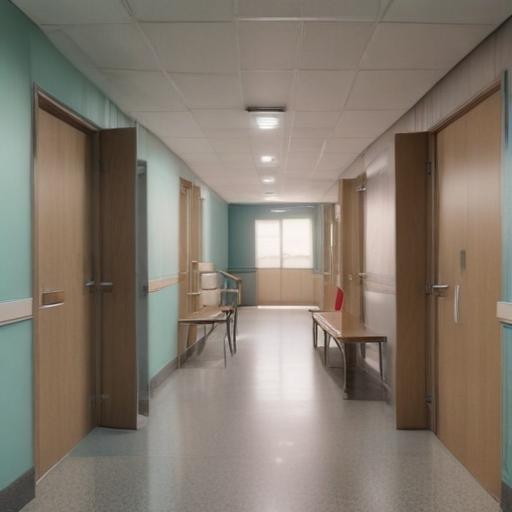
Fiji’s only dedicated mental health hospital, St Giles in Suva, is struggling with rising admissions, growing drug-related caseloads and a troubling number of long-stay patients who have been abandoned by their families.
Acting Medical Superintendent Dr Kiran Gaikwad says 10–15 percent of current inpatients are clinically well enough to live in the community but remain at St Giles because no relatives have taken them home. “That is a big issue, because they are occupying majority of our major space. And also it’s not in terms of human rights. They should not be in hospital. Actually, they should be in the community. But we have no options at present,” he said, calling on families and caregivers to step forward so patients can be reintegrated and followed by the hospital’s community treatment team, which provides home visits monthly or fortnightly as needed.
Dr Gaikwad also revealed that some patients have been resident at St Giles for more than 10 years despite being fit for discharge. He added that three long-term patients died at the hospital in the past two to three years — one unclaimed and two whose families only acknowledged them after years of absence. When no relatives come forward, the Ministry of Health arranges funerals.
Selina Kuruleca, chair of the Board of Visitors, urged relatives to provide correct contact information to the hospital to make reunification possible and reiterated that the facility is not designed to be a long-term shelter.
Context and wider pressures
Recent data and commentary from local health experts paint a broader picture of pressure on St Giles and Fiji’s mental health services. Admissions to the hospital have climbed sharply over recent years — rising from about 570 in 2021 to 886 in the last full year, with projections showing the facility could exceed 1,000 admissions by year-end if current trends continue. A high share of admissions are linked to substance use (around 70 percent by some reports), and many patients are readmitted: roughly two-thirds of admissions in some accounts are readmissions, highlighting relapse and gaps in continuity of care.
Commonly reported substances include marijuana, methamphetamine, solvent inhalants such as glue and benzene. Separate reporting has also flagged associated public health concerns, including a number of young people testing positive for HIV within a year, underscoring the interconnected nature of substance use, mental health and other health risks.
Government response and proposed solutions
Health Minister Dr Atonio Lalabalavu has acknowledged capacity and infrastructure limits at St Giles — an institution operating since the 19th century — and the ministry is exploring partnership and donor support to develop a modern facility with expanded services. Proposed enhancements include dedicated addiction treatment, child and adolescent psychiatry, geriatric psychiatry and a broader range of therapeutic and diagnostic options. Plans for drug rehabilitation centres have also been confirmed at ministerial level, a move advocates say is urgently needed.
Why abandoned long-stay patients matter
– Hospital space: Patients who no longer require inpatient care occupy beds and wards needed for acute admissions.
– Human rights and recovery: Long-term institutionalisation can impede recovery and community reintegration.
– Costs and care continuity: Extended inpatient stays increase costs for the health system while depriving patients of community-based supports that encourage social connections and functional recovery.
Practical steps and recommendations
– Families and caregivers: Re-engagement is critical. Providing accurate contact details and being open to community-based follow-up can enable discharge safely.
– Strengthen community services: Expand and fund community treatment teams, halfway houses and supported living arrangements so discharged patients have a safe environment and ongoing clinical follow-up.
– Fast-track rehabilitation capacity: Establish dedicated drug rehabilitation services and link them with mental health care to reduce relapse and readmission.
– Prevention and early intervention: Invest in education, early screening and substance-use prevention programs targeted at young people to address root causes.
– Partnerships: Accelerate collaborations with development partners and NGOs to build infrastructure and workforce capacity.
Short summary
St Giles Hospital faces rising mental health and drug-related admissions while also housing a significant number of patients who are clinically ready for community living but have been abandoned by their families. Hospital leaders and oversight bodies are urging families to reconnect, while government plans to expand rehabilitation services and explore a new facility to ease pressure and provide modern, specialized care.
Additional comment and hopeful perspective
The situation at St Giles spotlights urgent gaps but also growing awareness and concrete plans — from community treatment teams already providing home follow-up to government commitments to establish rehabilitation centres and explore a modern facility. Reconnecting families, scaling community supports and delivering dedicated addiction services could quickly reduce hospital congestion, improve patient outcomes and restore dignity for long-stay patients. If stakeholders — families, health services, NGOs and donors — align efforts, Fiji can move from crisis response toward a more humane, community-centred system of mental health and addiction care.
Leave a comment