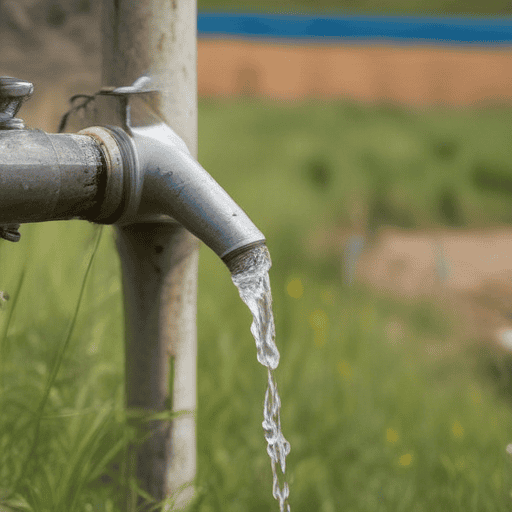
Residents of Sakoca, Nasinu, are voicing their frustration regarding ongoing water supply issues that have persisted for nearly a year. Many locals report receiving water only for a couple of days each week, typically having a limited 24-hour supply, leaving them without access to water on other days. This situation has raised significant concerns about when reliable water service will return.
One resident pointed out the inconsistent availability of water carting trucks, further complicating the situation for the community. Consequently, numerous complaints have been directed to the Water Authority of Fiji (WAF).
In response, Kelera Rabuli, head of the customer hub at WAF, acknowledged the difficulties faced by Sakoca residents. She attributed the disruptions to high turbidity levels, which have been exacerbated by adverse weather conditions related to the current cyclone season, clarifying that these issues are not a continuation of problems experienced last December. Rabuli reiterated that the priority is to restore reservoir levels and resume water supply to affected customers as soon as possible.
WAF is encouraging residents to store water whenever it is available and take advantage of the water tanker services ready to assist, especially in Sakoca.
This situation is reminiscent of the concerns raised by residents in neighboring areas like Tamavua and Namadi, who have also struggled with similar supply challenges, often citing explanations from WAF regarding low water levels or contamination. This has led to continued dissatisfaction among the local populace.
On a positive note, infrastructure projects are underway to enhance water supply reliability across the region and meet the demands of the growing population. These developments not only aim to address current issues but also pave the way for long-term solutions to ensure water security.
Investing in water infrastructure is a vital measure in improving the quality of life for residents who rely on these essential services, contributing to the community’s resilience and stability for the future.
Leave a comment