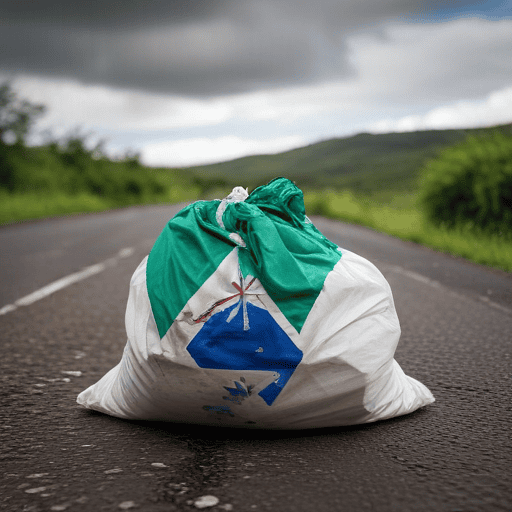
A recent report by the International Union for Conservation of Nature (IUCN) highlights a critical issue faced by per-urban, rural communities, and outer islands in the Pacific region: inadequate waste collection services. According to the 2021 Pacific Regional Report, these services are primarily limited to capital cities and major urban areas, leaving rural and remote communities vulnerable to unmanaged waste, with rates ranging from 27% to 60%.
The lack of waste collection not only poses a significant risk to the environment but also facilitates plastic leakage into landscapes and waterways. Many commercial entities and tourism operators are forced to manage their own waste disposal due to the absence of municipal services. Furthermore, local authorities struggle with limited capacity for community education and compliance regarding waste management practices.
In areas where education is provided, residents often have no accessible and properly managed dumpsites for waste disposal. For instance, the Naboro Sanitary Landfill in Fiji is the sole facility accommodating various types of waste, including residential and commercial. While it provides essential services, it does come with a tipping fee for disposal. Additionally, there are a few controlled and open disposal sites, but many rural residents still resort to backyard burial and open burning, indicating a pressing need for improved waste management solutions.
This situation underscores the urgency for governments and local authorities to enhance waste collection services in rural and per-urban communities. Progress in cleaning up these environments could not only benefit public health but also preserve the natural beauty and resources of the Pacific islands. Targeted investments in infrastructure and education could ultimately lead to sustainable waste management practices that reduce plastic waste and its associated risks.
In conclusion, while the current waste management challenges are significant, they present an opportunity for development initiatives and community engagement. With the right focus and resources, the region can pave the way towards more responsible waste practices, enhancing both environmental health and community wellbeing.
Leave a comment