
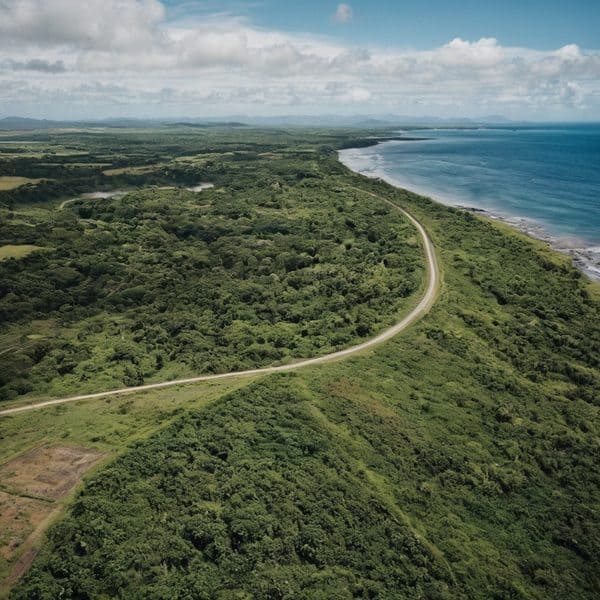
The Next Generation (Fiji) Pte Ltd has moved to clarify the purpose and legal footing of its proposed $1.4 billion waste-to-energy plant at Naikorokoro Point, Saweni, in Lautoka, saying the facility would process only non-hazardous municipal solid waste and therefore does not fall under the Waigani Convention’s prohibitions. The company’s statement was issued in response to comments by Assistant Minister for Foreign Affairs Lenora Qereqeretabua, who had raised concerns that the project could breach the regional treaty.
TNG Fiji said energy-from-waste facilities are designed to accept everyday household and business rubbish—food and organic waste, paper and cardboard, plastics and packaging, textiles and rubber, wood and garden waste and other non-recyclable residuals—“the same category of material currently filling Fiji’s landfills.” The company stressed that hazardous chemical waste, medical or clinical waste, radioactive materials and industrial toxic waste would not be delivered to or processed at the plant, and that the distinction between hazardous and non-hazardous waste is both legal and scientific.
The firm argued the Waigani Convention—formally the “Convention to Ban the Importation into Forum Island Countries of Hazardous and Radioactive Wastes and to Control the Transboundary Movement and Management of Hazardous Wastes within the South Pacific Region”—was created to stop Pacific countries becoming destinations for hazardous and radioactive waste. TNG said it fully supports the convention but that its text covers only hazardous and radioactive waste and “does not regulate, restrict, or prohibit the movement of non-hazardous waste.”
The company’s clarification comes amid political unease over the proposal. National Federation Party leader and opposition MP Professor Biman Prasad said the Government has not granted approval for the project and that it would be premature to assume it is proceeding. Assistant Minister Qereqeretabua herself acknowledged in comments reported alongside the company’s statement that her public remarks about potential breaches could risk her position, while also noting she was not yet bound by any Cabinet decision because the project had not been approved.
TNG Fiji emphasised that the legal classification of waste should be the basis for any assessment of Fiji’s treaty obligations, framing that as the “foundation on which every question about Fiji’s treaty obligations must be assessed.” The company specifically named the project as the Vuda Waste-to-Energy proposal in its response, reiterating its position that the Waigani Convention does not apply to the materials it plans to process.
At this stage the proposal remains at the announcement and response phase rather than implementation: TNG has outlined intentions and legal positions, the Opposition has reminded the public that no government approval has been given, and a Cabinet endorsement appears not yet to have been made. The location—Naikorokoro Point at Saweni in Lautoka—and the reported $1.4 billion price tag were reiterated by the company, which also cited the existing pressure on Fiji’s landfills as motivation for considering energy-from-waste solutions.
Further developments will hinge on formal government decisions, any required environmental and legal assessments, and how authorities interpret the boundaries between municipal solid waste management and the regional obligations set out in the Waigani Convention.