
Tuvalu’s power system is holding but remains vulnerable as the government moves from emergency mode to a short-term backup plan, Transport and Energy Minister Simon Kofe said in an update on 27 April 2026. The 14‑day State of Emergency declared over the island nation’s fuel and electricity troubles is due to end on Monday, 1 May, but Kofe warned that while supply is “stable” today, risks persist and international support is being brought in to shore up the system.
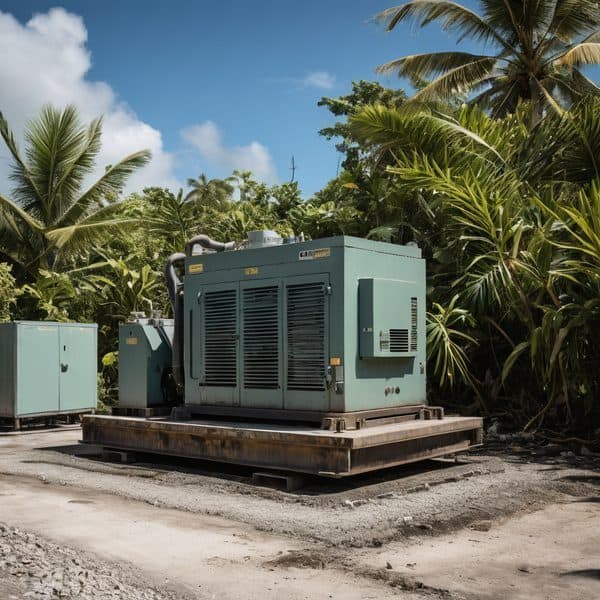
Kofe told reporters generators are operating well and that recent blackouts were caused by network faults rather than generation failures. To bolster resilience, Tuvalu has secured a rental generator funded by the Asian Development Bank (ADB) that is expected to arrive on 28 May; it will serve as temporary backup for an estimated three to six months while permanent replacements are procured. Bids for those permanent backup generators are being invited, with the procurement process expected to get underway in early May, he said.
Fuel supply has been steadied for now but remains a central vulnerability. Kofe confirmed the next fuel tanker is scheduled to arrive on 13 May, and that the government is working with partners to increase on‑island storage capacity to reduce future disruption. In the meantime, Public Works and ICT teams are collaborating with the Tuvalu Electricity Corporation (TEC) to shore up infrastructure and system security, and technical advisors are already in-country addressing operational issues.
International partners are contributing both technical and financial support. Australia will deploy technical advisers to help strengthen TEC’s financial systems and accounts — a measure aimed at improving procurement, payments and overall utility governance. Japan is also exploring assistance, including the possible deployment of a Daihatsu specialist to support maintenance of existing generator units. Kofe said communication cable faults to the battery system have been fixed, allowing solar generation to play a greater role in supporting supply as integration and compatibility issues with older diesel units are resolved.
The government is also directing assistance to households affected during the emergency. The Department of Energy, in partnership with the Red Cross, is conducting a survey to identify households eligible for hardship assistance, Kofe said. That outreach is intended to target those most impacted by outages and fuel shortages while the interim measures and longer‑term procurement proceed.
The update marks the latest phase in a months‑long scramble to stabilise energy supplies in the low‑lying Pacific nation, where imported diesel remains critical despite growing solar capacity. With the State of Emergency ending, officials say the focus will shift to implementing the backup arrangements, finalising procurement and boosting storage — steps intended to reduce the need for future emergency declarations.
In other Pacific news, PacNews confirmed the death of Palau leader and business pioneer Surangel Whipps Senior at age 86, a development announced in the same 27 April bulletin.