
The local State of Emergency in Tuvalu concludes today as the government moves from crisis response to stabilisation, Minister for Transport, Energy, Communications and Innovation Simon Kofe announced, laying out a multi‑pronged energy strategy to restore reliable power and reduce the risk of future outages.
An initial technical review found that recent blackouts were caused by faults in the distribution network rather than failures of generation machinery, Kofe said. That diagnosis has shaped the immediate response: the government is arranging temporary rental generators to ensure continuity of essential services while specialist teams work to repair and harden the network. Tuvalu has also sought international technical support, securing expert assistance from partners including Japan and Australia to accelerate repairs and advise on system resilience.
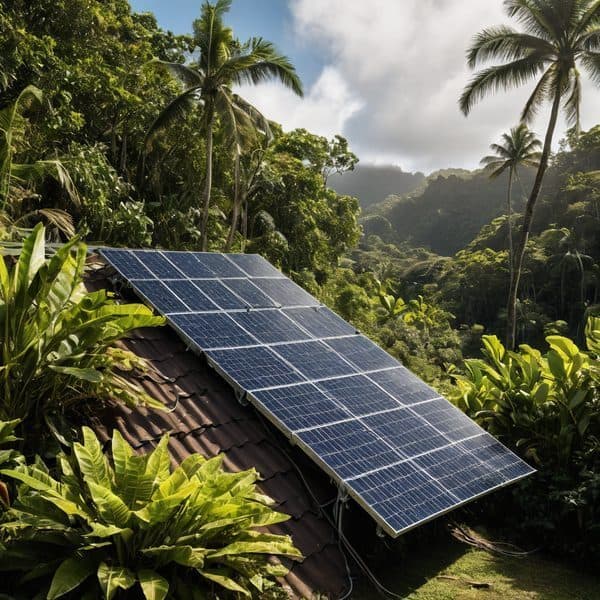
Parallel work has addressed longstanding barriers to greater renewable integration. Officials report significant progress in bringing more solar capacity onto the grid after resolving communication and hardware compatibility problems that previously limited how photovoltaic systems interacted with the island network. Those fixes should allow solar installations to contribute more reliably to daily demand and reduce reliance on imported fuel in the medium term.
To guard against fuel supply disruptions during future incidents, authorities are upgrading on‑island fuel storage capacities and putting contingency plans in place to prevent shortages. The measures aim both to ensure sufficient reserves for backup generation and to streamline logistics in times of heightened demand or transport disruption.
Recognising the socioeconomic toll of the outages, the government is instituting stronger financial oversight of emergency energy spending and rolling out hardship assistance for vulnerable households affected by the crisis. The support package is intended to target those who suffered extended loss of power for refrigeration, medical equipment, or income‑generating activities, while tighter oversight seeks to ensure emergency procurement and rental arrangements are transparent and cost‑effective.
With the State of Emergency ending, Tuvalu’s authorities say the focus will shift from immediate fixes to building a more resilient utility system through a mix of repaired distribution infrastructure, temporary and longer‑term generation solutions, strengthened fuel logistics and expanded solar integration. International technical cooperation and the social protection measures now being implemented mark the latest phase of an evolving response aimed at preventing a repeat of the recent power crisis.