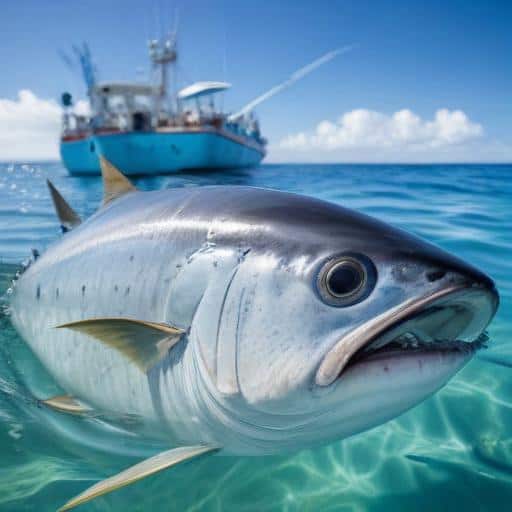
The South Pacific Tuna Treaty, the only multilateral tuna fisheries treaty globally, is nearing its crucial milestone, with a final vote expected soon in the United States Congress to formalize its provisions into law. Since its inception in 1998, the treaty has facilitated access for U.S. tuna fleets to fish within the exclusive economic zones (EEZs) of sixteen Pacific island nations, fostering diplomatic relations and economic cooperation.
Key to the current developments is Congresswoman Uifa’atali Amata, who represents American Samoa and has been instrumental in advancing this treaty through bipartisan efforts in Congress. Recently, she confirmed the successful passage of the South Pacific Tuna Treaty Act, known as H.R. 531, in the House of Representatives, co-sponsored with Hawaii Congressman Ed Case. This new iteration of the treaty is expected to cement previously negotiated commitments, including a Memorandum of Understanding (MOU) established under the Biden administration, which pledged USD$600 million for a decade and an additional USD$10 million for climate initiatives.
Amata articulated the significance of the treaty for American Samoa, emphasizing its critical role in the territory’s fishing-dependent economy, saying, “I welcome broad support in Congress for implementing our treaty with our regional friends and neighbours in the South Pacific.” The legislation aims to enhance regulatory certainty for fisheries while streamlining operations for the U.S. tuna fleets, often hailed as America’s last true distant water fishing fleet.
In 2022, the Senate demonstrated overwhelming bipartisan support for ratification of the treaty’s updates, making this year’s prompt passage in the House particularly noteworthy. This improvement signifies an earlier legislative process compared to its progression in the previous Congress. The adjustments to the treaty reflect amendments adopted in 2016 and aim to stabilize fishing days at sea while ensuring that U.S. fleets have access to vital fishing grounds in the Pacific.
Despite the encouraging legislative advancements, the U.S. tuna purse seine fleet has faced challenges, shrinking from 34 vessels to just 13 in recent years due to increased regulations, competition, and illegal fishing activities. Expert testimony during congressional hearings has highlighted these difficulties, underscoring the urgency for sustained support and adaptation for the fleet.
The continued movement of the South Pacific Tuna Treaty showcases a collective effort toward ensuring sustainable fishing practices and economic viability in the region. By prioritizing diplomatic engagement and responsible resource management, the U.S. and its Pacific partners are setting a hopeful precedent for future cooperation aimed at preserving marine biodiversity and supporting local economies.
Leave a comment