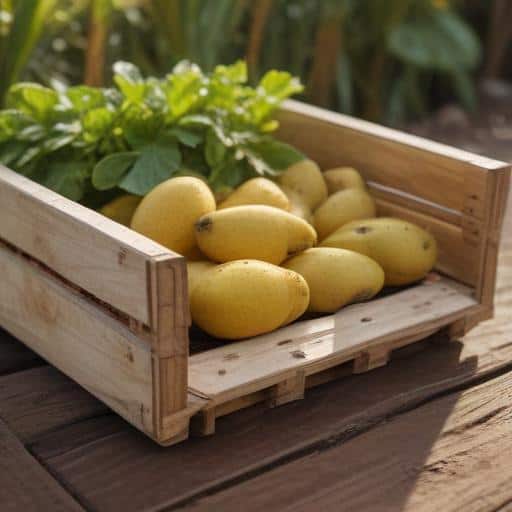
Just outside Nadi town, in the village of Nakavu, Poasa Katonivere tends a small but consequential plot of land known locally as the ‘PRIDE’ farm. The garden — planted with cassava, chilis and eggplant — began as a group effort by members of the Rainbow Pride Foundation (RPF), a Fiji-based organisation that advocates for the rights of LGBTQ+ people. Today Poasa is the primary caretaker, turning limited resources and determination into food and changing attitudes in his village.
Poasa describes how the garden was born through RPF’s support after vacant land was cultivated and began to thrive. With scarce funds and few tools, he hires labour only when necessary, carefully stretching every dollar. “If I have FJ$100, I’ll recruit five people to help me, and I’ll give each of them FJ$20,” he says. He also provides lunch — diving for kai (freshwater mussels) and cooking cassava — as a way of building goodwill so helpers will return when he needs them again.
The farm has also been a site of personal hardship and social change. Poasa recalls times when he was feeding six people and struggled to find food, relying on fishing and friends working in hotels for rations. He faced verbal abuse and slurs — people pointed and called them “qauri,” a derogatory Fijian term for effeminate men — and admits there were days he cried. But as the farm began producing and helping feed others in the community, attitudes shifted. “From the finger-pointing they used to do — now that they see us feeding the village — it’s changed what they used to think about us. So now, we feel proud of ourselves,” he says.
RPF’s work in creating community hubs and safe spaces for LGBTQ+ people — efforts that include visibility, advocacy and livelihood support — helps frame initiatives like Poasa’s farm. External support for these efforts has come from development partners: Oxfam in the Pacific has highlighted its collaboration with organisations like RPF through projects such as Shifting Power, Shifting Voices, funded by the Australian government’s NGO Cooperation Programme. Across Fiji, other community groups are also using farming as a tool for resilience and inclusion, demonstrating a broader trend of grassroots initiatives linking food security, economic opportunity and social acceptance.
Why this matters
– Practical contribution: By producing food and hiring local labour when possible, the PRIDE farm demonstrates tangible benefits to the village, which has helped reduce stigma and opened doors for social inclusion.
– Resilience: Farming provides livelihoods and food security for people facing overlapping challenges of poverty and discrimination.
– Replicable model: Similar community farms and hubs across Fiji — including projects led by women’s groups and sports associations — show how agriculture can double as a platform for empowerment and social change.
Additional comments and suggestions
– Support for small community farms like this can be most effective when it combines modest capital (for tools and seeds), market access for surplus produce, and technical training in crop and post-harvest management.
– Donors and policy-makers should consider funding models that prioritise local leadership and flexible, small-grant support tailored to marginalised groups whose needs may not fit standard programmes.
– Creating linkages between community farms and local markets, hotels or schools could expand income opportunities and further increase local acceptance by formalising economic contributions.
Brief summary
Poasa’s PRIDE farm in Nakavu, started by Rainbow Pride Foundation members, has grown from a communal project into a local source of food and dignity. Despite limited funds and initial hostility, the farm now helps feed the community and has softened discriminatory attitudes. The project illustrates how grassroots agriculture, supported by organisations and small grants, can strengthen livelihoods and promote social inclusion.
Hopeful note
Poasa’s experience shows how visible, practical contributions from marginalised people can shift perceptions and build respect. With targeted support — from community networks, NGOs and small development grants — similar initiatives can strengthen food security and accelerate social acceptance across Fiji.
Leave a comment